
The British Safety Council is calling on the UK Government to introduce a ban on high silica containing products entering or leaving the UK within five years.
The health and safety charity wants the Government to follow Australia’s approach and introduce a phased transition towards an outright ban, allowing UK industry and consumers time to adapt.
The call comes ahead of the launch of British Safety Council’s Hidden Hazards campaign and follows research involving 2,104 workers across a range of sectors.
Workers concerned about silica risks
The research found that 62% of workers were concerned or very concerned about the health risks associated with silica dust.
However, 16% reported having little or no knowledge of silica related harms.
Respirable crystalline silica dust can be released when materials including stone, concrete, brick and engineered stone are cut. Exposure is associated with severe and irreversible respiratory diseases including silicosis and Chronic Obstructive Pulmonary Disease, COPD, as well as an increased risk of lung cancer.
British Safety Council said international evidence indicates regulation and control measures can reduce exposure but do not eliminate the risk.
Stronger regulations requested
During the proposed five year transition, British Safety Council wants the Government to strengthen existing regulations.
Its recommendations include banning dry cutting, introducing mandatory competent person sign off for high risk work and tightening controls until high silica engineered stone is no longer used within or exported from the UK.
The organisation also wants Government to work with unions, consumers, retailers and industry to encourage behaviour change while establishing reliable alternative products and supply chains.
Hidden Hazards campaign launched
British Safety Council’s Hidden Hazards campaign aims to increase awareness of silica dust and other less visible workplace risks affecting millions of workers.
British Safety Council said it does not believe current HSE guidance goes far enough to protect current and future workers and is calling for greater action to phase out high silica products.
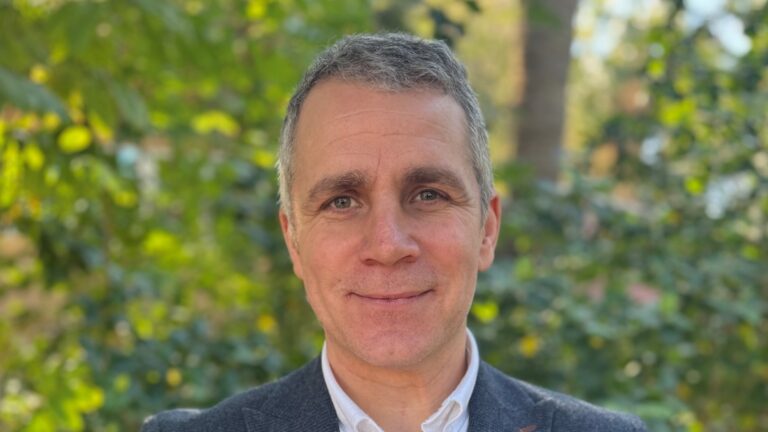
Mike Robinson, Chief Executive of British Safety Council, said: “That beautiful quartz worktop in your kitchen may be costing more than you think. We want people to stop and think; is it worth killing the person who made it? Every cut, every drill, every grind releases dust so small you cannot see it.
“But once it reaches the lungs, the damage is permanent. These are not accidents, these are preventable deaths, so how many lives is a new kitchen worktop worth?
“Each year in the UK, around 500 workers die because of exposure to respirable crystalline silica. Workplace exposures are also linked to around 4,000 COPD deaths annually, with construction workers among the groups at risk.
“That is why we want to see high-silica containing products banned from coming into or leaving the UK within five years, with ever tighter regulations over that period. Stopping silicosis should be simple, provided the political and public will to save lives is there.”