
ELTEN highlights the ways in which evolving footwear standards are giving safety professionals clearer information on protection, testing and performance.
Why do testing and standards matter in safety footwear?
Safety footwear is one of the most important components of personal protective equipment. Whether on construction sites, in manufacturing, logistics or the skilled trades, workers depend on their footwear every day to help protect them from injury. To ensure this level of protection, clear requirements, reliable testing procedures and recognised standards are essential.
Standards provide the foundation for safety footwear certification. They define the minimum requirements a product must meet before it can be placed on the market. For manufacturers such as ELTEN, standards offer a clear framework for product development and certification. For safety managers, buyers and end users, they provide transparency and comparability.
What changes have been introduced through DIN EN ISO 20345:2022?
The transition from DIN EN ISO 20345:2011 to DIN EN ISO 20345:2022 is a good example of how safety footwear standards evolve. While the latest version has been in force for several years, products certified under the previous version did not become obsolete overnight. EU type-examination certificates remain valid for five years, meaning that a safety shoe certified to DIN EN ISO 20345:2011 in May 2022 can still be used until May 2027. This ensures a smooth transition to updated requirements.
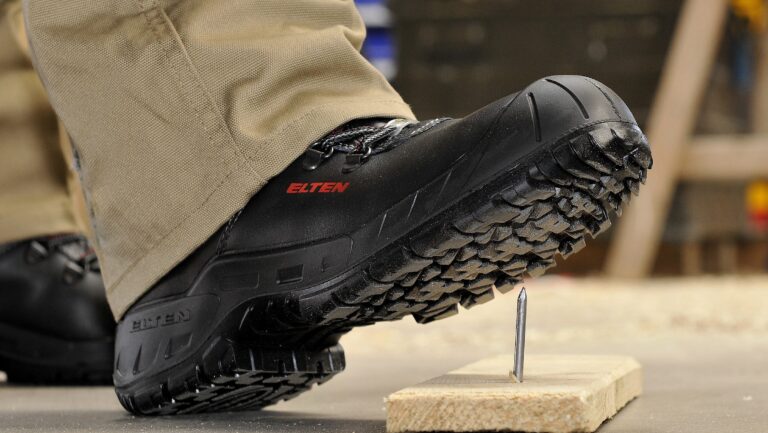
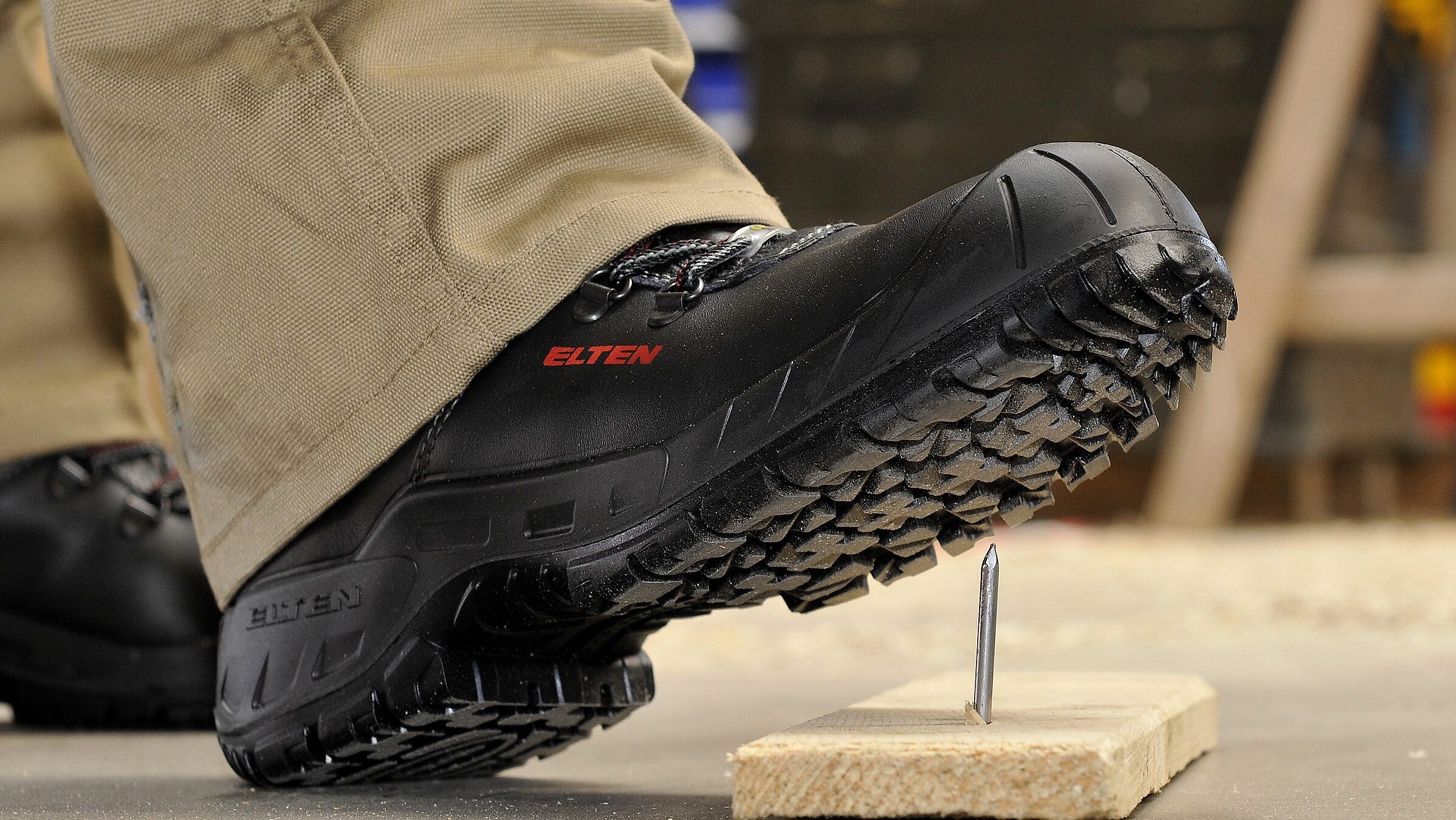
One of the most significant changes in the revised standard concerns penetration protection. Previously, S1P footwear could be fitted with either metallic or non-metallic penetration-resistant inserts. The updated standard now differentiates non-metallic penetration protection as S1PL or S1PS. “L” indicates testing with a 4.5 mm test nail, while “S” refers to a 3 mm test nail. ELTEN uses the S1PS classification for models equipped with non-metallic penetration protection.
The standard also updates classifications for waterproof footwear. Models previously classified as S2 WR or S3 WR can now be designated S6 or S7. Manufacturers may adopt the new classifications or retain the established WR label. ELTEN continues to use the familiar WR designation, which represents the same verified waterproof performance.
What requirements should safety managers, buyers and end users know about?
Safety footwear certification includes both mandatory and optional requirements. Certified safety shoes must pass tests for protection, durability and slip resistance. Additional markings such as SR (slip resistance), SC (abrasion-resistant toe protection) and LG (ladder grip) identify specific performance characteristics and help users select suitable footwear.
By reflecting new materials, technologies and workplace requirements, standards ensure reliable occupational safety through objective testing and certification.