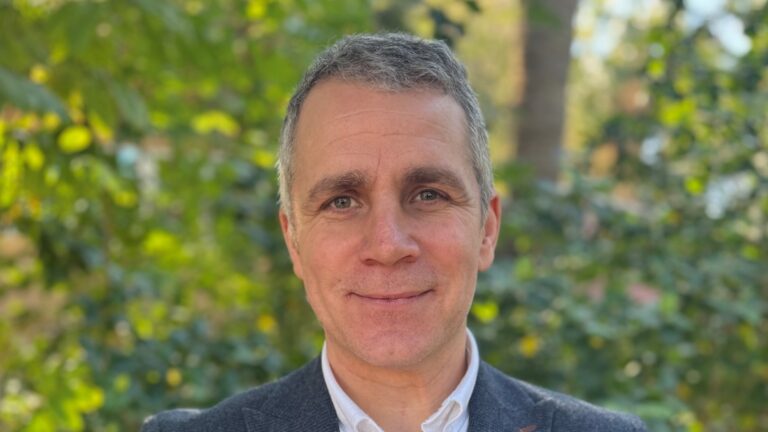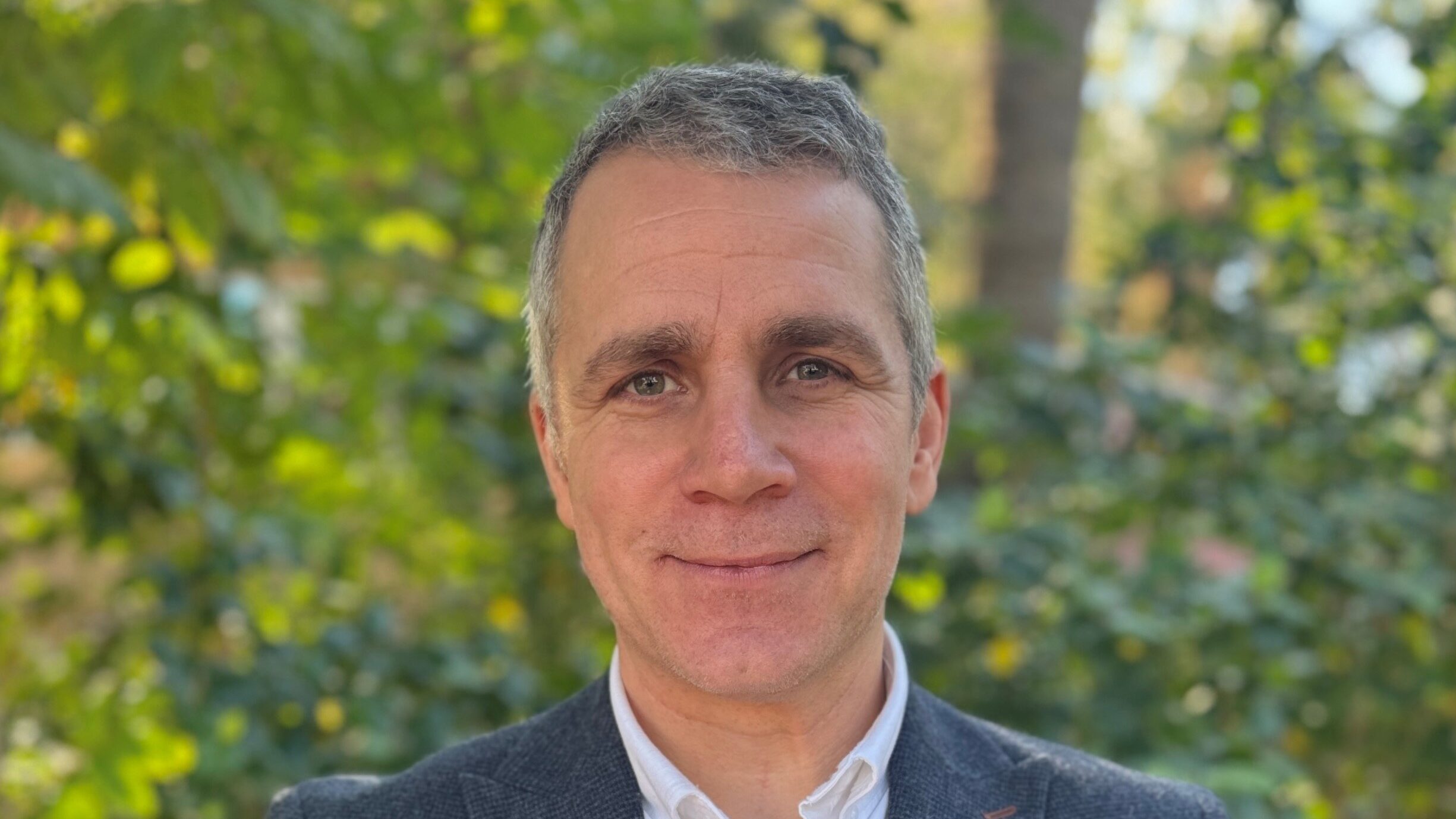

Ian Cooke, Audit, Consultancy and Culture Change Director at the British Safety Council, discusses concealed dangers in the workplace.
Ahead of its Annual Conference in October, International Health and Safety Buyer talked to Ian Cooke from the British Safety Council. Earlier this year, the charity launched its Hidden Hazards campaign which seeks to highlight the challenges facing workplaces today which, although they often go under the radar, can have a detrimental impact on employees. Here, Ian explains the key aspects of the campaign and what the British Safety Council is doing to raise awareness of silica, work-related stress, asbestos and air quality.
Please introduce yourself and your background.
I am the Audit, Consultancy and Culture Change Director here at the British Safety Council. I am responsible for our services to customers around those solutions. In terms of my background, I have worked both in the UK and internationally on a range of occupational health and safety services from training, auditing, management systems to consultancy, both for small, medium and multinational organisations. I have predominantly worked with larger organisations on large change programmes or behavioural-based safety programmes, or management system implementations.
What is the British Safety Council and what are its main goals?
The British Safety Council is a registered charity, and its main goals are to ensure people are protected at work from health and safety risks that might affect their ability to go home safely. We have a range of levers that we pull to try and affect that. We have got everything from the policy team, education team, and audit, consultancy and culture change teams which I am very proud to lead.
What is the Hidden Hazards Campaign?
The Hidden Hazards campaign is a new flagship campaign that we have launched to position ourselves as a leading voice on areas that are some of the biggest occupational killers, which are obviously hidden from sight and are out of mind. The campaign reinforces our expertise,
credibility, commitment to preventing work-related illness and injury. Through this campaign, we are going to look to find evidence, produce guidance and engage with workers to drive that meaningful and lasting change.
We recognise that due to a lot of these hazards being hidden, they are often overlooked. But the impact that they have is not just because we can see that through the number of people who are affected by it, it is the number of fatalities that are clearly evidenced as a result of exposure to some of these hidden hazards as well.