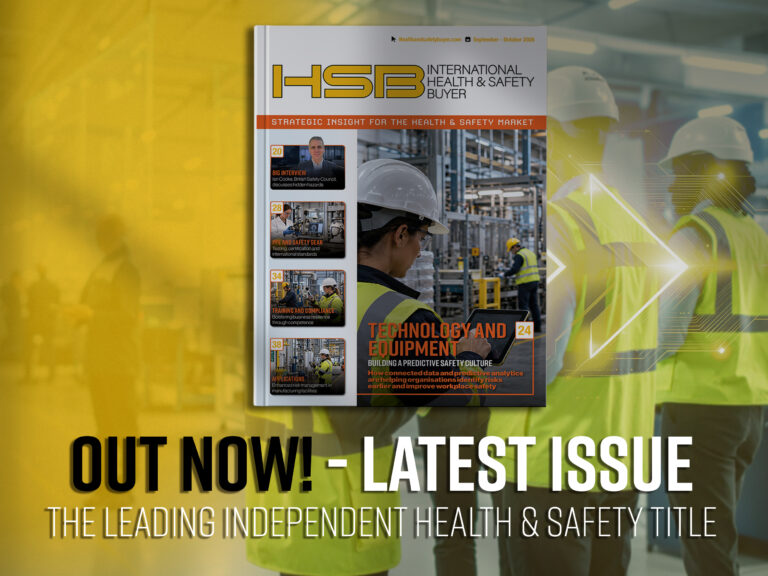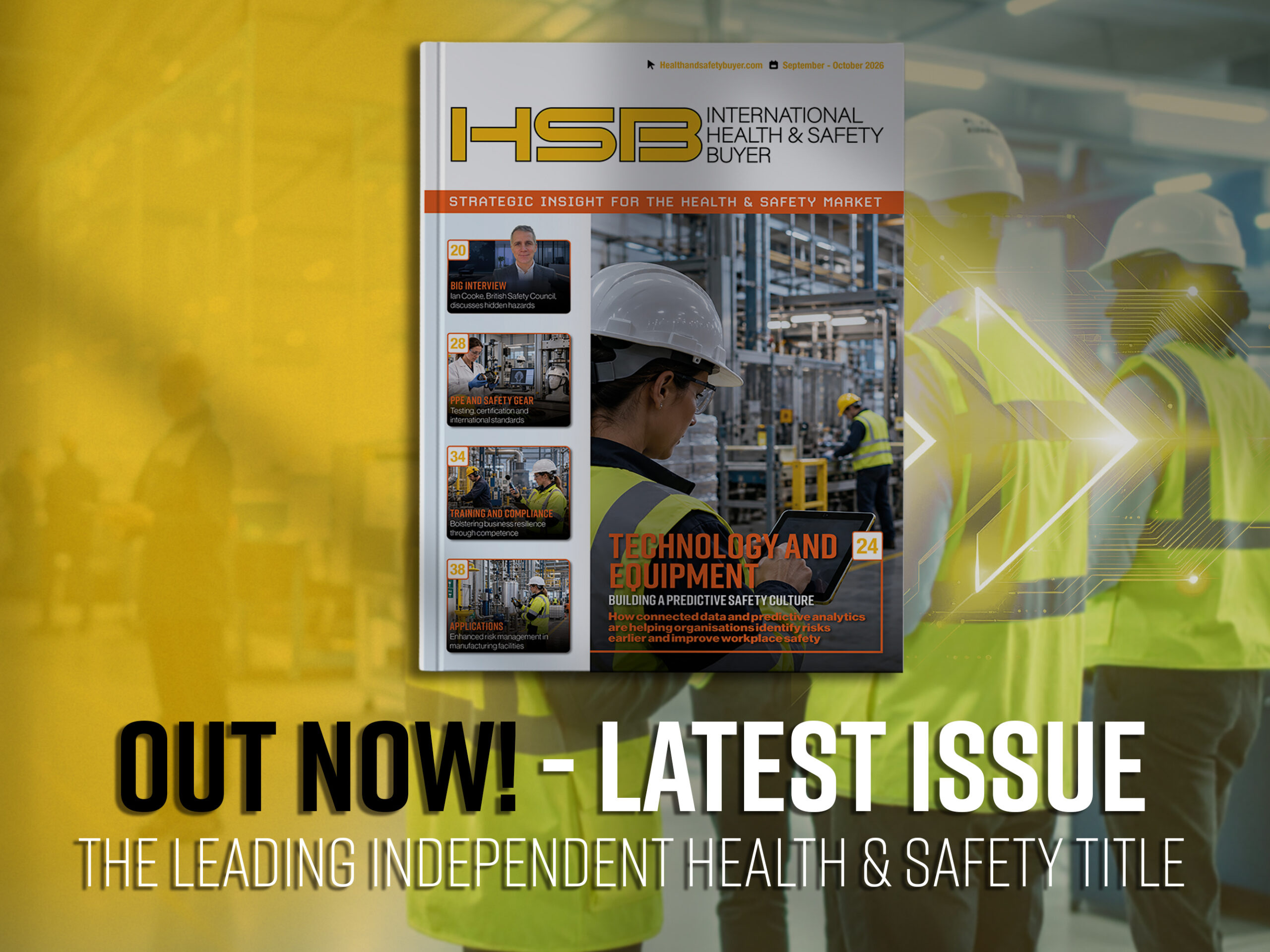

Hand Media International is proud to unveil the new look International Health & Safety Buyer. This issue marks an exciting step forward for our publication as we embrace a more digital-first approach to both our editorial content and magazine design.
Workplace safety is increasingly defined by what can be identified before it becomes an incident. From occupational exposure and respiratory protection to PPE standards, workforce competence and predictive technology, in this newly-designed issue, we consider how employers can build stronger systems around prevention rather than reaction.
Uncovering Hidden Hazards
For this issue, we spoke to Ian Cooke from the British Safety Council which will be holding its annual conference online in October. A central feature of the conference will be the charity’s Hidden Hazards Campaign which launched earlier this year. The campaign, which runs for the next two years, focuses on four key areas: silicosis, air quality, asbestos and stress. Whilst some of these overlooked workplace hazards are interconnected, they can all have devastating consequences for the employees who are exposed to them. The British Safety Council wants to reinforce awareness of these hazards to ensure that all workers can return home safely at the end of their shift.
Securing effective RPE
Three of the hidden hazards identified through this campaign are linked to respiratory health and workplace air quality. In some working environments, it is imperative to have access to suitable Respiratory Protective Equipment (RPE) to shield against invisible but damaging particles in the air. In this month’s Innovator, Ian Kelsall from Draeger Safety UK explains how to select the most effective RPE for your workplace and how to support its consistent and correct use among employees.
One major factor in selecting RPE is ensuring equipment meets the appropriate certification and testing requirements. This is further explored in this month’s PPE feature, which showcases what procurement managers must consider when choosing this type of equipment. Significant responsibility is placed on employers and specifiers to ensure PPE performs consistently under the conditions for which it was selected.
Evolving safey standards for footwear
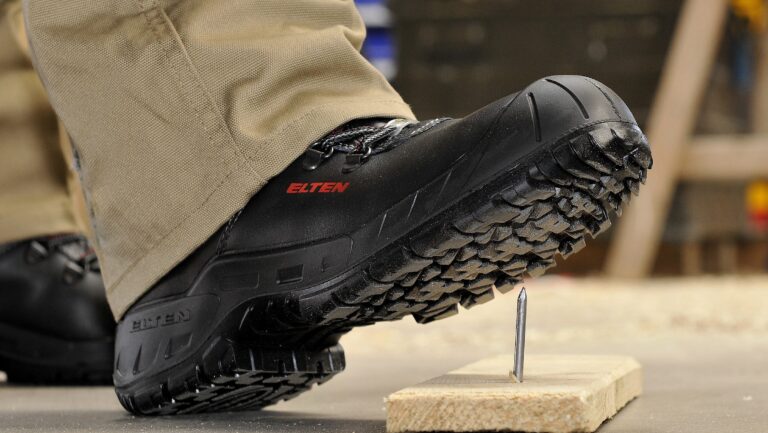
Navigating changing standards is one area procurement teams must contend with. When it comes to selecting safety footwear, there are several factors to consider such as durability and slip resistance. In this issue’s Product Spotlight, safety shoe manufacturer, ELTEN, explains how evolving footwear standards give safety professionals more clarity on protection, testing and performance.
From RPE to safety footwear, effective implementation of PPE can often depend on the depth of training and qualifications workers undertake. In Training and Compliance, we make the case for workforce competence and how it can strengthen business resilience.
A key theme of this issue is the early identification of risks. Connected devices and predictive analytics are among the ways workplaces are promoting safety culture. As explained in our Technology and Equipment feature, the effective use of such technologies hinges on utilising the available evidence to recognise where risk is increasing, allowing safety teams to intervene earlier and allocate attention more effectively.
One environment in which the early identification and control of escalating risks is particularly important is manufacturing. This forms the focus for our Applications feature which considers the ways manufacturers are combining engineering, monitoring, training and safety management to control increasingly complex workplace risks effectively.
Intersec Saudi Arabia preview
This issue also features a preview of Intersec Saudi Arabia which is happening in November. Now in its eighth edition, the exhibition has become one of the region’s principal meeting points for professionals working across fire protection, occupational safety, commercial security, homeland security, and cybersecurity.
Effective safety increasingly depends on connecting evidence, equipment, standards and workforce competence. This issue seeks to inform organisations of the knowledge and practical controls required to prevent exposure and intervene before risks become incidents.