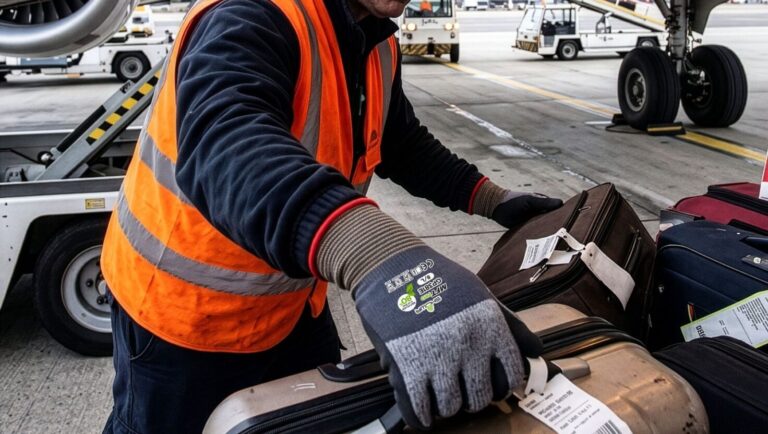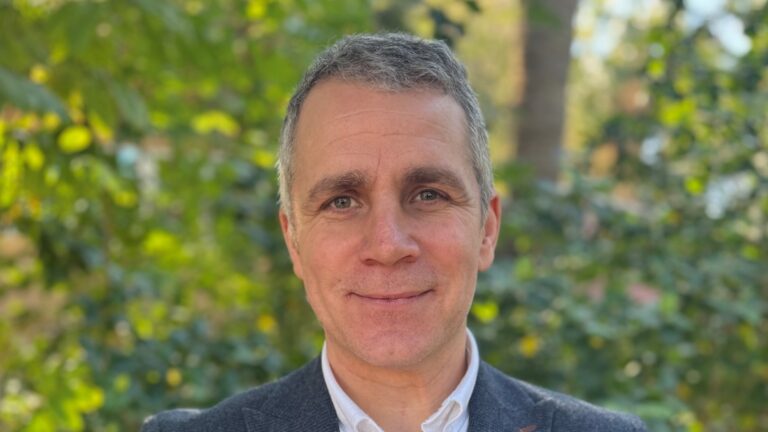
Tony Lynch, Vice President of Sales, EMEA and North America at SHOWA, discusses global shifts in hand protection, rising sustainability demands and the technologies reshaping PPE performance and worker safety
Firstly, can you introduce yourself and tell us a bit about your career background and work with SHOWA?
My name is Tony Lynch, and I am Vice President of Sales for SHOWA across EMEA and North America. I have been with the company for 20 years, beginning as a territory sales manager in the UK in 2006 before later supporting 25 international markets as Export Director. I went on to oversee operations in Oceania, New Zealand, Australia and South Africa, becoming Vice President for EMEA in 2023. Earlier this year, my remit expanded to include North America. In total, I have more than 30 years’ experience in hand protection, including a decade with a UK PPE distributor prior to joining SHOWA.
How is global demand for high performance hand protection evolving across major industrial sectors?
Demand is changing in line with workforce expectations and modern risk profiles. Younger workers prioritise thin, breathable, ergonomic gloves that support touchscreen use. Safety managers, meanwhile, are looking for multi certified solutions capable of managing several hazards within one product. Sustainability is also accelerating purchasing decisions, particularly in Europe, with global customers increasingly seeking comfortable gloves that deliver durability and advanced protection without unnecessary complexity or cost.
SHOWA is known for its integrated manufacturing model. How does owning the full supply chain support product quality and consistency?
Our integrated model is fundamental to our performance and reliability. SHOWA controls every stage of glove manufacturing, from fibre and polymer design through to coating, testing and assembly. This gives us complete oversight of quality and regulatory compliance across every market. It also accelerates innovation, allowing us to adjust fibres, coatings and ergonomics quickly and validate designs with end users. Crucially, we continue to inspect 100 percent of our general purpose and cut resistant gloves before packaging to maintain consistent global standards.
What technological developments are influencing the next generation of protective gloves?
Two clear trends dominate. First is the move towards multi functional protection, where a single glove provides cut resistance, chemical resistance, impact protection, ESD and touchscreen capability. Employers want to streamline PPE programmes without compromising safety. Second is the rise of lighter, thinner materials that improve tactility and breathability. Microfibres, for example, support moisture management and faster drying, improving comfort in demanding environments. Impact protection is also growing rapidly, particularly in oil and gas, petrochemical, construction and warehousing.
The modern workplace risk profile is shifting. What hazards are now driving demand for more specialised hand protection?
Impact hazards are one of the fastest growing concerns across sectors. Many workplaces are also experiencing combinations of risks, from mechanical to chemical to ESD, often within a single role. This is driving demand for gloves that provide broader protection without becoming restrictive or overly complex. As a result, employers are rationalising PPE ranges to ensure workers receive versatile, high performing gloves that meet daily operational realities.
TO READ MORE SEE OUR LATEST ISSUE HERE