The National Safety Council (NSC) has awarded $300,000 to support projects focused on preventing musculoskeletal disorders (MSD).
Now in its fourth cycle, the programme reflects the Council’s ongoing commitment to eliminating preventable workplace injuries and fatalities.
Launched by the MSD Solutions Lab in 2021 with funding from Amazon, the initiative has funded 35 projects and invested more than $1 million in practical safety solutions.
Research projects focus on technology and ergonomics
The Research to Solutions programme provides up to $50,000 per project for research designed to create accessible workplace solutions.
Recipients include Ergami Endoscopy and Stony Brook University, developing a robotic colonoscope insertion device to reduce injuries among endoscopy staff, while the University of Wisconsin Madison will study PPE embedded with sensors to assess ergonomic risk during lifting and overhead work.
ViVA health at work, in collaboration with Australian Catholic University and Queensland University of Technology, will develop an AI enabled framework integrating ergonomic, psychosocial, organisational and individual risk data for healthcare workers.
Wichita State University will validate a job rotation optimisation tool for manufacturing environments.
Pilot grants support workplace testing
The MSD Solutions Pilot Grant programme provides up to $20,000 per project to MSD Pledge member organisations testing new technologies in workplace settings.
Recipients include Carolina Canners, Compass Group Canada, PIP Safety, Radiometer, and Volvo Car Gent, all using wearable sensors, AI platforms, computer vision systems, or digital twin technology to assess and reduce MSD risks.
Grant recipients will present findings at the 2027 NSC Safety Congress and Expo.
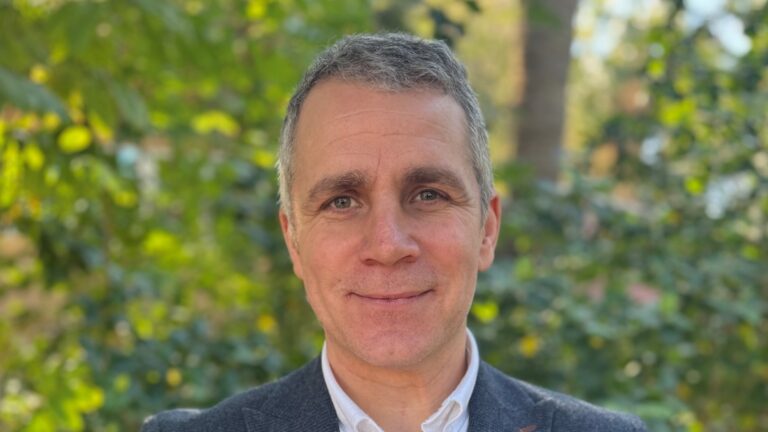
Katherine Mendoza, Senior Director of Workplace Safety Programs at NSC, said: “MSDs can affect every part of a person’s life, both on and off the job. “These projects underscore our dedication to finding solutions that are grounded in real-world work and centered on people.
“By investing in both research and practical applications, we are helping employers better understand risk and take meaningful steps to protect their teams.”