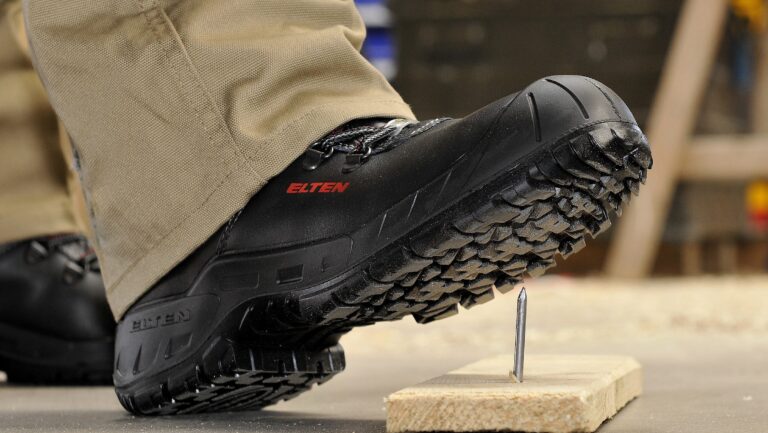
Managing editor, Rebecca Spayne, looks at how ergonomic PPE design is reshaping workplace safety, helping organisations improve comfort, inclusivity, and compliance while reducing fatigue and encouraging consistent equipment use across demanding industries.
Personal protective equipment only fulfils its purpose when workers use it consistently. That simple principle has long been recognised by safety professionals, yet the practical reality is often more complicated. Equipment designed purely around hazard protection may satisfy regulatory requirements, but if it restricts movement, traps heat, or creates fatigue during long shifts, workers inevitably find ways to avoid wearing it.
A review of traditional and smart PPE published in the KSCE Journal of Civil Engineering earlier this year said consistent PPE use reduces injuries by up to 60%. The same review highlighted the importance of PPE in the construction world, stating improper use or lack of PPE contributes to approximately 30% of construction-related deaths in high-income countries. For low-income countries, PPE use is limited and is “often perceived as a hindrance to productivity”.
This tension between protection and practicality has driven a significant shift in how PPE is designed, selected, and evaluated. Employers are now looking beyond certification marks and technical specifications to ask a more fundamental question: does the equipment actually work for the people who wear it?
Across sectors such as construction, logistics, manufacturing, and energy, safety managers are paying greater attention to ergonomics, user comfort, and inclusivity. There is greater emphasis on equipment that promotes inclusivity, protects workers without restricting productivity and does not cause unnecessary strain. Ergonomic design, inclusive sizing, and better materials are therefore becoming key considerations in procurement decisions.
The growing emphasis on ergonomics reflects a simple but often overlooked truth. Protective equipment that workers are comfortable wearing is far more likely to be worn correctly and consistently, protecting people from injury or fatal incidents.
The Ergonomics Revolution in Workwear
Workwear represents one of the most visible examples of how ergonomic thinking is reshaping PPE design. Clothing worn throughout an entire shift must accommodate a wide range of movements, environmental conditions, and physical tasks.
In construction, for example, workers may spend hours climbing scaffolding, kneeling, lifting materials, and operating tools. In logistics environments, employees often walk several kilometres during a shift while repeatedly bending and lifting. Traditional protective garments designed primarily for durability can restrict these movements, particularly when constructed from heavy fabrics or rigid stitching patterns.
A review of ergonomic risk and musculoskeletal disorders in construction published in the journal Buildings earlier this year recommended enhanced PPE procurement policies in order to ensure PPE reduced ergonomic burden. The review’s recommendations centred around a “multidimensional approach to injury prevention in construction” which included optimising PPE design.
Workers are far more likely to wear protective clothing consistently when it allows them to move naturally and remain comfortable throughout the day. The effects of constant kneeling and bending can impact the joints. Manufacturers such as Mascot Workwear and Snickers Workwear provide knee pads either integrated into work trousers or to strap around the knees.
TO READ THE FULL ARTICLE READ THE LATEST ISSUE HERE.