A new report from RS, a leading provider of industrial products and service solutions, is calling on the UK’s waste management sector to embrace strategic partnerships to overcome operational, environmental and health and safety challenges that are increasingly shaping the industry’s future.
The report, titled Closing the Loop, outlines how Maintenance, Repair and Operations (MRO) strategies can support sustainability targets, reduce downtime, improve plant performance and protect the workforce in what is expected to be a pivotal year for the sector.
With the UK Government pushing forward legislative reforms aimed at achieving net zero by 2050, RS warns that operators must also address persistent health and safety risks as they modernise.
Chris Cruise, industry sector manager for utilities at RS, said the reforms—particularly those aimed at increasing recycling rates and improving consistency—are long overdue and broadly welcomed. But they come at a time when the sector is already under pressure from under-funding, skills shortages and an ageing infrastructure.
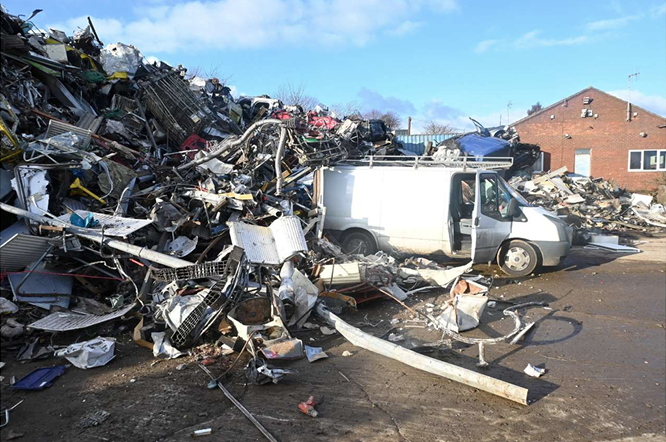
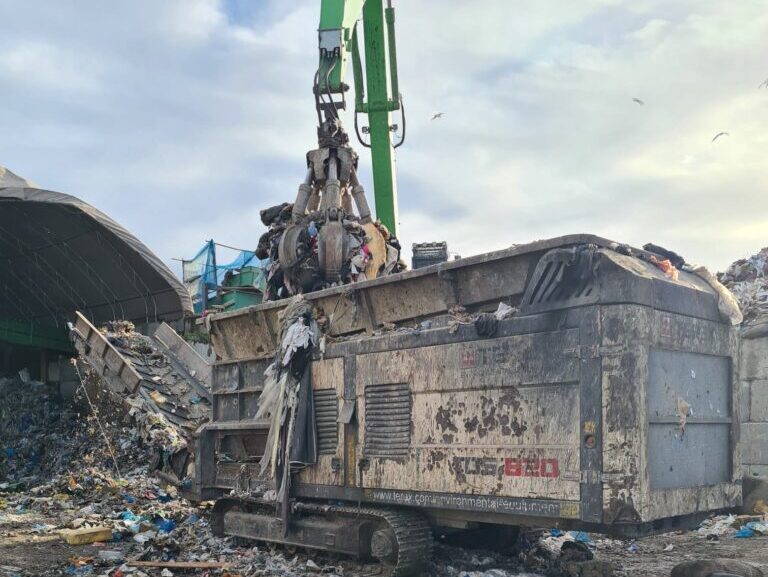
The report highlights that unscheduled downtime caused by mechanical failures, ageing assets or delays in spare part availability is not just a cost issue—it is a safety concern too. Many of the machines used in waste sorting, shredding and compacting operate in harsh, high-risk environments. When breakdowns happen, frontline maintenance staff are often exposed to dangerous conditions during reactive repair, particularly if proper PPE or fail-safe procedures are lacking.
According to Waste Direct, 46 per cent of UK waste is recycled, while 22 per cent goes to landfill and 25 per cent is incinerated with energy recovery. Just three per cent is composted. The government has set a target to raise household recycling rates to 65 per cent by 2035. As demand rises, equipment reliability and safe maintenance practices become more critical.
Cruise said that while the industry has “broad shoulders,” its resilience depends on forward planning and the right support. By working with strategic suppliers, he explained, operators can prevent small faults from escalating into plant shutdowns or serious safety incidents. Proactive condition monitoring, correct lubrication, and having the right part in the right place at the right time can prevent failures that might otherwise endanger staff or compromise waste processing targets.
The Closing the Loop report also dedicates space to workforce protection. It stresses the importance of promoting safe behaviours, ensuring employees are properly trained, and equipping them with certified PPE that meets the demands of hazardous environments. From moving machinery to biohazards, the waste sector presents a complex risk profile that demands attention to both prevention and compliance.
RS’s Better World product range, which includes over 30,000 sustainable MRO, PPE and workwear items, is presented as one practical route to supporting both environmental and safety goals. The company emphasises that products in the range are either made more sustainably, help reduce waste, or support circularity—and crucially, meet relevant safety standards.
Looking ahead, RS sees new legislation like Simpler Recycling, alongside advances in AI and smart infrastructure, as important levers to improve recycling rates, reduce contamination and protect the quality of waste streams. But for now, Cruise argues, it’s the fundamentals—keeping workers safe, equipment reliable, and partnerships strong—that will make the difference on the ground.