
Protecting people when hazards cannot always be seen
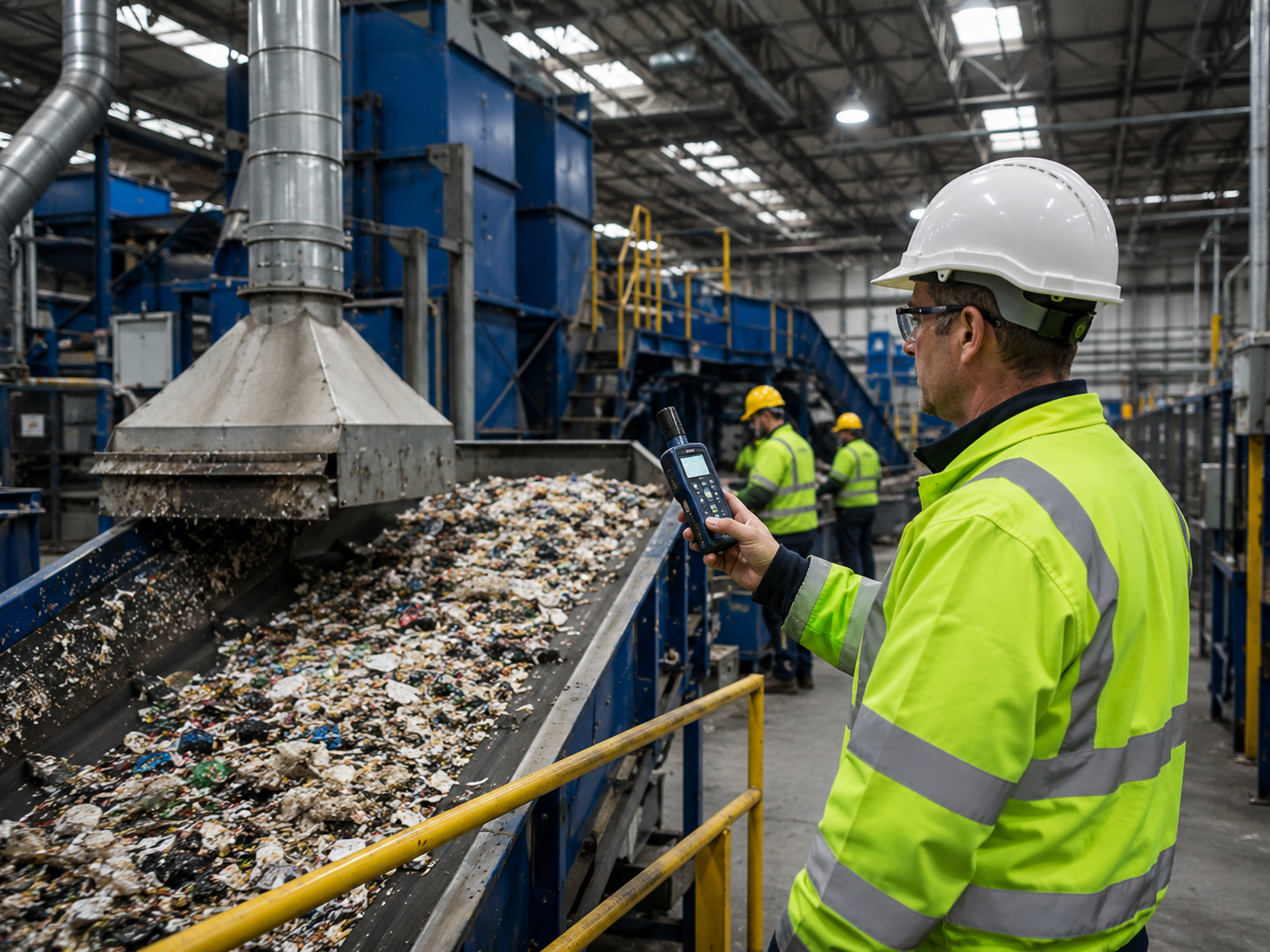
While engineering controls remain the first line of defence, personal protective equipment continues to play a vital role in reducing exposure when hazards cannot be eliminated entirely. Recycling environments expose workers to sharp edges, contaminated materials, chemicals, airborne particles and changing weather conditions, often within a single shift.
Selecting appropriate PPE has become less about issuing a standard kit and more about understanding the tasks being performed. Gloves suitable for handling dry recyclables may offer little protection against chemical contamination. Respiratory protection requirements vary between enclosed sorting halls, vehicle maintenance workshops and battery storage areas. Eye protection must account for dust, flying debris and splash risks.
This growing emphasis on task specific protection has encouraged organisations to review PPE as part of a broader risk assessment rather than as a standalone compliance exercise. Glove manufacturers including Ansell provide a range of risk-specific solutions designed to meet the needs of different handling requirements.
Workers may also spend prolonged periods in environments where nuisance dust, biological contaminants and fine particulates are present at varying concentrations. Respiratory protective equipment, such as those provided by JSP, should therefore form part of a wider strategy that also considers ventilation, extraction, housekeeping and environmental monitoring.
Training remains equally important. Even well selected PPE cannot provide effective protection if workers do not understand its limitations, inspection requirements or correct use. Regular refresher training, combined with practical supervision, helps reinforce safe behaviours while allowing organisations to identify issues before they become embedded.
Looking beyond incidents
Modern health and safety management has shifted away from measuring success solely through accident statistics. Many organisations now recognise that lagging indicators only reveal what has already gone wrong. Greater value often comes from understanding the conditions that make incidents more likely in the first place.
Near misses, maintenance records, equipment inspections, environmental monitoring results and behavioural observations all contribute valuable information when viewed collectively.
Digital reporting systems have made it easier to capture these datasets, but their effectiveness still depends upon organisational culture. Workers must feel confident reporting concerns without fearing blame or unnecessary scrutiny.
Software providers such as Cority and EcoOnline represent part of the wider move towards integrating occupational health, environmental performance and safety management into a single operational picture. Within complex industries such as recycling, where hazards span machinery, chemical exposure, occupational illness and environmental compliance, bringing information together can help organisations identify relationships that isolated reporting systems may overlook. This approach reflects a broader evolution within workplace safety. Risk management is becoming less reactive and more predictive.
Patterns may emerge that suggest dust concentrations rise during particular production schedules, that maintenance delays coincide with equipment related incidents or that particular waste streams generate recurring concerns. Understanding these connections allows interventions before harm occurs rather than after investigations begin.
Technology alone, however, does not create safer workplaces. Data must support practical decision making, while supervisors and frontline workers remain central to identifying changes that no digital platform can fully anticipate.
TO READ THE FULL ARTICLE, READ THE LATEST ISSUE HERE.