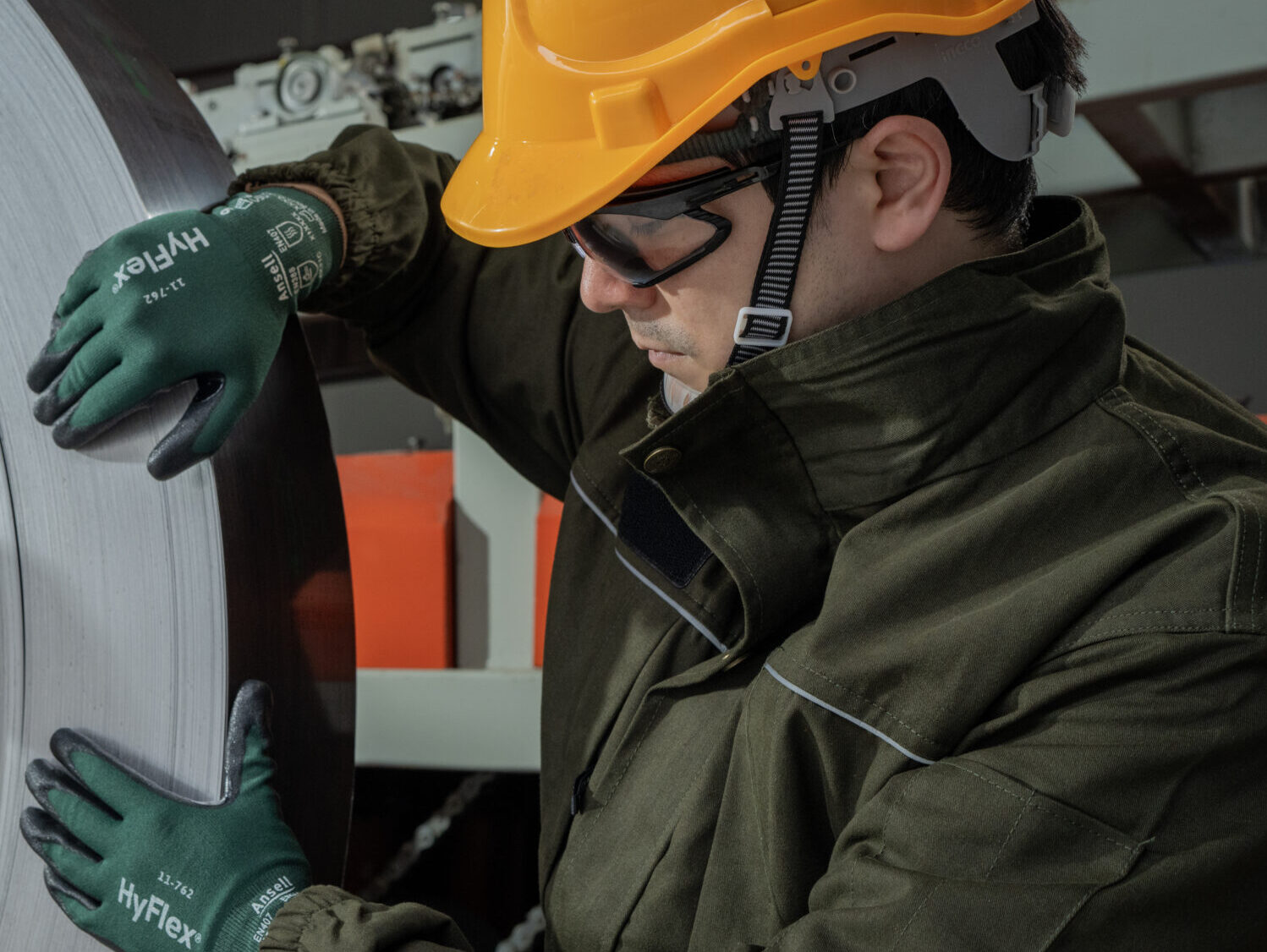

Ansell highlights how advances in materials and durability are reshaping industrial hand protection, delivering reliable cut performance with a lower environmental footprint.
Across manufacturing and industrial sectors, the expectations placed on PPE are evolving. It is no longer enough for gloves to simply deliver cut protection or mechanical durability. Today, businesses are asking bigger questions:
- How does PPE contribute to our environmental footprint?
- How many gloves do we consume and dispose of each year?
- Is it more sustainable to reuse or replace gloves?
- Can we reduce waste without compromising worker safety?
These questions mark a turning point in the industry. They are driving the emergence of a new generation of protective solutions that balance performance, durability, worker comfort and sustainability.
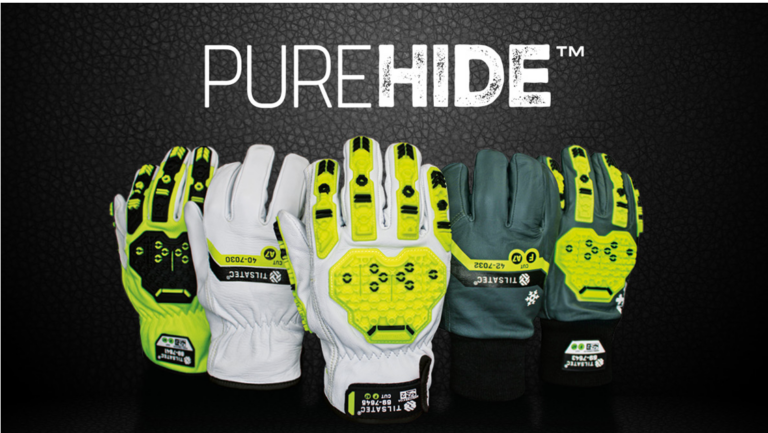
One example of this shift is Ansell’s new HyFlex™ Sustainable Cut Resistance Series. But the impact of this innovation goes beyond a single product line. It signals a broader movement toward responsible, circular material choices and worker-centric PPE design.
The PPE industry is at a sustainability crossroads. Industrial gloves are consumed in vast quantities. A single manufacturing site can go through tens of thousands of pairs a year, many of which are quickly discarded due to wear, contamination or damage.
This high turnover has three major consequences:
- Rising waste volumes, especially from synthetic materials.
- Higher carbon emissions from producing and distributing replacement gloves.
- Greater operational cost pressure on businesses.
For decades, PPE innovation has focused on achieving higher protection levels. Performance will always be fundamental to hand protection. As expectations evolve, sustainability is becoming an increasingly important part of how protection is designed and delivered. The next chapter of PPE innovation lies in bringing these priorities closer together without compromising safety.
From traditional fibre to eco-innovation
Historically, many cut-resistant gloves have relied on metal or glass fibres to achieve required protection levels. While effective, these fibres can create discomfort; poking, itching or breaking during use.
Workers often adjust, remove or avoid wearing uncomfortable gloves, increasing risk of injuries.
The new wave of PPE innovation, demonstrated by the HyFlex™ Sustainable Series, shows what is possible when material science advances in the right direction.
Advanced eco-yarns can now deliver:
- Reliable cut protection.
- A softer, more flexible feel.
- A lightweight 18-gauge design.
- Zero metal or glass fibrediscomfort.
- Certified skin safety.
While eco-yarns deliver the same, or higher, performance levels, they also incorporate a significant proportion of recycled polyester recovered from post-consumer PET bottles, resulting in measurable and meaningful reductions in carbon emissions. This solves two problems at once: more comfort and less environmental impact.
Turning waste into protective performance
One of the most significant innovations is the use of post-consumer recycled polyester, sourced from PET bottles.
Using reclaimed materials to reduce virgin plastic consumption reflects a broader necessity for circularity driven by regulatory directives, decarbonisation and environmental impact reduction in the PPE industry.
In the case of the HyFlex Sustainable Cut Resistant gloves:
- Over 50% of the glove’s total weight is recycled polyester.
- CO₂ emissions are reduced by up to 44.9%, verified by Life Cycle Assessment (LCA) reviewed by an independent third party.
- Each pair gives 1.21 to 1.55 PET bottles a second life.
For companies under pressure to hit emissions targets or improve ESG reporting, this matters. PPE is no longer a negligible line item; it is becoming a tangible contributor to operational sustainability metrics.
Durability: The unsung hero of sustainable PPE
Sustainability isn’t only about materials; it is also about product lifespan.
- A glove that wears out quickly generates:
- More waste.
- More procurement transactions.
- More CO₂ from production and transport.
- More operational downtime.
This is where coating technology makes a measurable difference.
The DMF-free PU coating used in the HyFlex Sustainable Cut Resistance Series demonstrates how innovation shifts the waste equation. It has up to four times more wear resistance compared to standard PU which means four times fewer gloves thrown away over time. Longer-lasting PPE is not just good for the environment, it is good for productivity and budgets.
TO READ THE FULL ARTICLE, READ THE LATEST ISSUE HERE.