
Protection without unnecessary burden
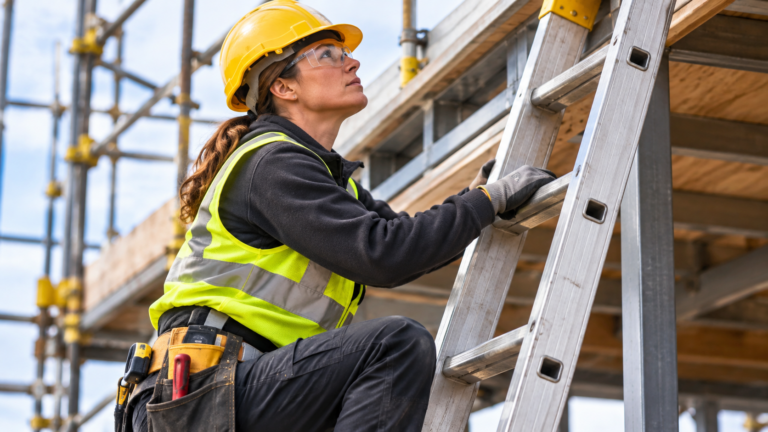
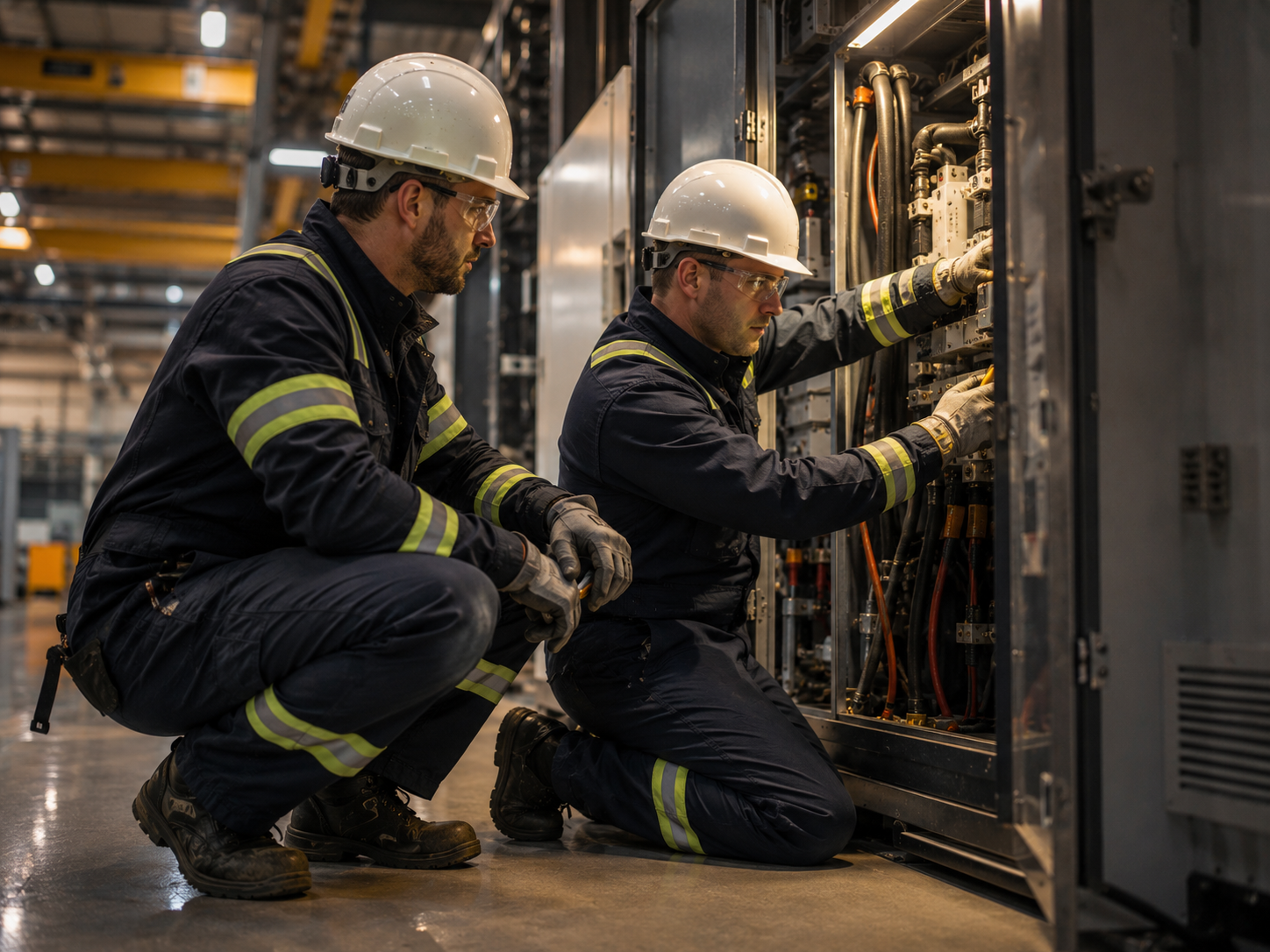
Workers operating in high risk industries rarely perform a single repetitive task. A maintenance engineer may climb ladders, kneel in confined spaces, operate tools overhead and walk considerable distances during a shift. Protective clothing that restricts movement can increase fatigue while making routine tasks more physically demanding.
Ergonomic design has therefore become an increasingly important element of garment development.
Manufacturers now examine how garments move with the body, how seams perform under repeated stretching and how articulated construction supports natural movement. These improvements are not simply intended to increase comfort but to reduce physical strain throughout prolonged periods of work.
Developments in advanced fibres and garment construction reflect the wider industry’s efforts to improve wearer comfort without reducing certified performance.
Mobility is particularly important in sectors where workers regularly transition between different activities. With concerns to hand protection, manufacturers including Tilsatec develop protective solutions for hazardous environments where balancing protection with dexterity and mobility remains an important design consideration.
As industrial workforces continue to age in many regions, reducing unnecessary physical strain is becoming increasingly relevant to long term workforce wellbeing.
Modern fabrics change expectations
The development of advanced fibres has transformed what organisations expect from fire resistant clothing. Historically, increasing protection often resulted in heavier garments that generated additional heat stress during physically demanding work. Modern fabric technologies increasingly aim to provide high levels of thermal protection while reducing garment weight and improving moisture management.
This balance is particularly important as employers become more aware of the relationship between thermal comfort and worker performance. Excessive heat contributes to fatigue, reduced concentration and lower productivity, particularly during summer months or in enclosed industrial environments.
Developers such as Carrington Textiles and Protal produce technical fabrics used within protective workwear, reflecting ongoing innovation in fibre technology, weaving techniques and fabric performance. Advances at the material level continue to influence how finished garments balance protection, durability and wearer comfort across multiple industrial applications.
The relationship between fabric development and garment design has become increasingly collaborative. Rather than treating textiles and clothing as separate disciplines, manufacturers are working to optimise the complete protective system, ensuring fabrics perform effectively once incorporated into finished garments.
TO READ THE FULL ARTICLE, READ THE LATEST ISSUE HERE.