
Fire resistant workwear is evolving to deliver certified protection alongside greater comfort, durability and mobility for demanding workplaces. Rebecca Spayne reports.
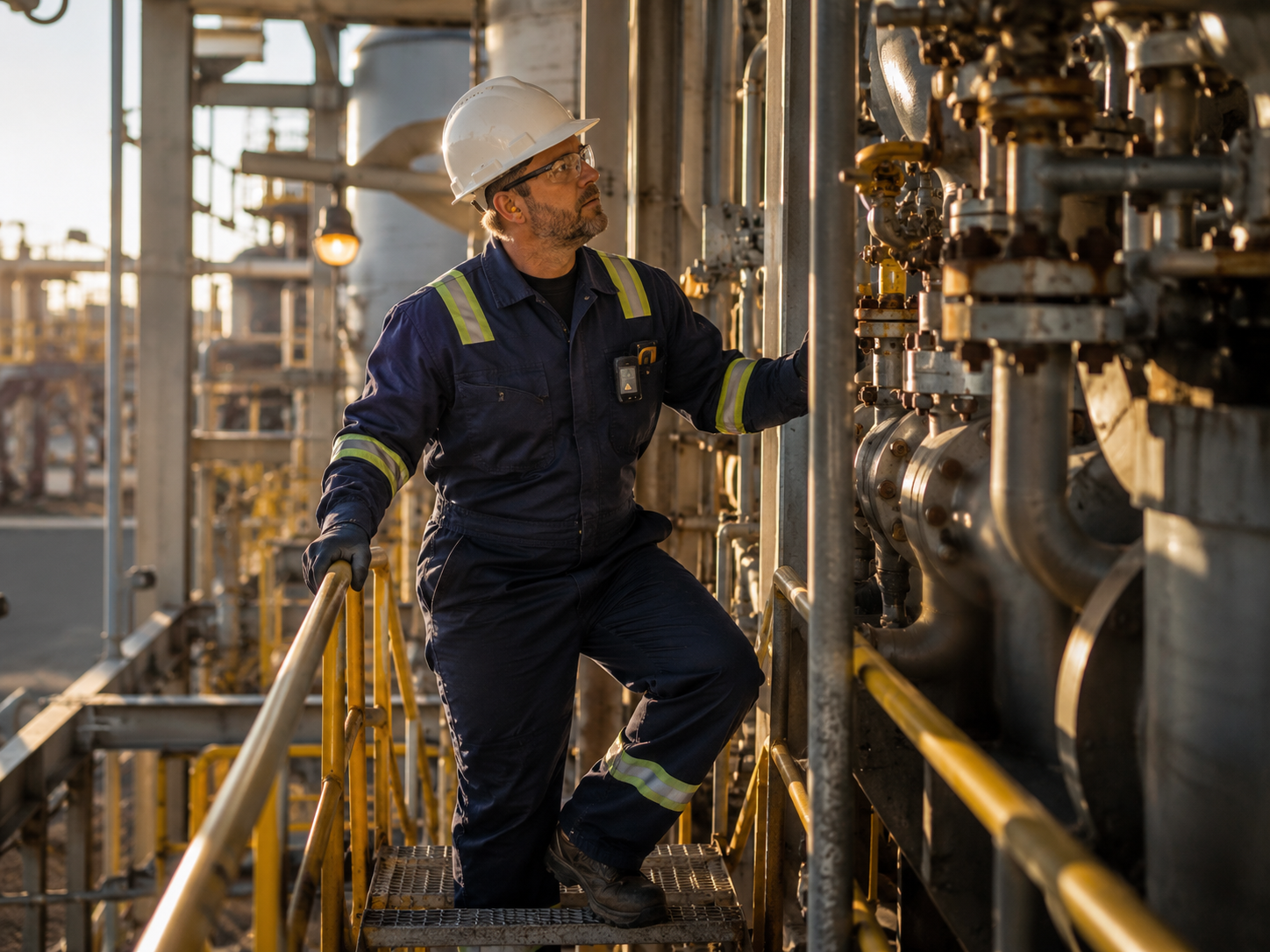
Fire resistant workwear has always served a single, critical purpose: protecting workers from life threatening thermal hazards. Whether operating on offshore platforms, maintaining electrical infrastructure or working within petrochemical facilities, employees rely on specialist garments to provide vital protection during flash fires, arc flashes and other high temperature incidents.
However, expectations of protective clothing have changed considerably over the past decade. Organisations are no longer assessing garments solely against compliance standards or flame protection performance. Increasingly, they are asking how protective clothing performs over an entire working day, how it supports worker wellbeing and whether it encourages consistent use in demanding environments.
This reflects a broader understanding of workplace safety. Even the highest performing garment offers limited protection if workers remove it because it is uncomfortable, excessively heavy or unsuitable for the task being undertaken. As employers continue to place greater emphasis on behavioural safety and human factors, comfort and usability have become integral parts of effective PPE strategies rather than secondary considerations.
Advances in textile engineering, garment design and manufacturing have enabled significant improvements in this area. Modern fire resistant workwear increasingly combines certified protection with lighter materials, improved breathability, greater flexibility and enhanced durability, helping organisations achieve higher levels of compliance without compromising protection.
The challenge for manufacturers is considerable. Protective clothing must continue to satisfy demanding international performance standards while meeting worker expectations shaped by advances in sportswear, outdoor clothing and industrial apparel. Achieving that balance requires continual innovation in fabrics, garment construction and ergonomic design.
Compliance begins with confidence
Fire resistant garments are often associated with regulatory compliance, but their effectiveness ultimately depends on whether workers wear them correctly and consistently throughout every task.
Research into PPE compliance has repeatedly demonstrated that discomfort influences behaviour. Excessive heat, restricted movement and poorly fitting garments can encourage workers to modify clothing, remove layers or seek alternatives that provide greater comfort but lower levels of protection.
Consequently, organisations are increasingly considering user acceptance alongside certification when selecting protective clothing. Procurement decisions now frequently involve end users, recognising that practical experience provides valuable insight into how garments perform under real working conditions. This shift has encouraged manufacturers to pay greater attention to garment fit, weight distribution and freedom of movement.
Across sectors including oil and gas, utilities and industrial processing, protective garments continue to evolve to support both regulatory compliance and practical usability during extended periods of wear. Manufacturers such as Lakeland Fire & Safety and Malina Safety develop industrial protective clothing for hazardous working environments. The conversation surrounding PPE has moved beyond simply asking whether clothing protects workers during an incident. It increasingly considers whether garments support safe behaviour before an incident occurs by making compliance easier to achieve.
TO READ THE FULL ARTICLE, READ THE LATEST ISSUE HERE.