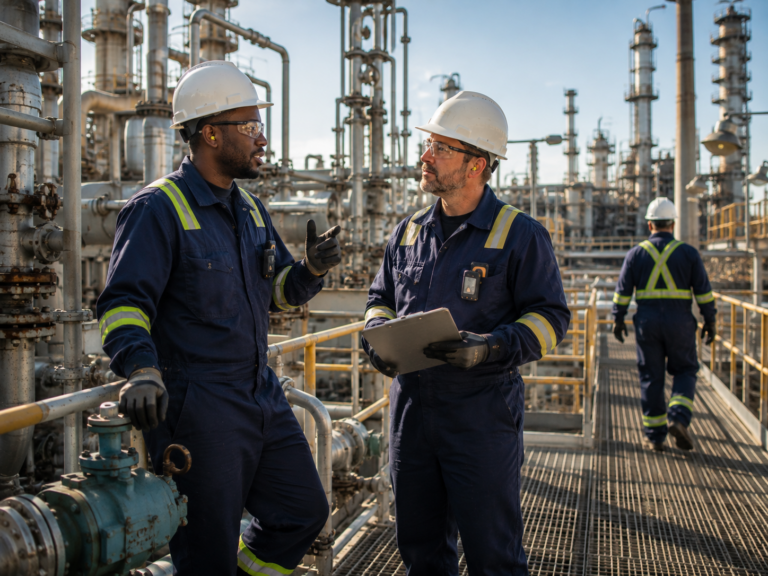
Connected safety technologies are transforming workplace risk management through real time monitoring, predictive analytics, integrated workflows and continuous operational visibility. Katie Tracy reports.
For decades, workplace safety has largely operated through a familiar model: periodic inspections, paper based reporting, manual audits and reactive intervention following incidents or near misses. While regulations have evolved and industries have invested heavily in PPE, monitoring systems and training, the underlying structure often remained fragmented. Safety data lived in separate systems, incident reporting lagged behind operational reality and frontline visibility depended heavily on manual processes. This model is now changing.
From compliance to continuous intelligence
Digital safety platforms are increasingly shifting organisations away from static compliance exercises toward continuous operational intelligence. Connected devices, cloud based analytics, wearable technologies and integrated workflows are allowing employers to monitor risks in real time, identify patterns before incidents escalate and respond more quickly to changing operational environments.
The transition is not simply technological. It reflects broader pressures shaping industrial workplaces worldwide. Labour shortages, more complex contractor ecosystems, tighter regulatory scrutiny, remote and lone worker operations, and growing expectations around employee wellbeing are all driving demand for more proactive safety management models.
Technology driving safer workplaces
At the same time, advances in sensor technology, wireless connectivity, edge computing and software integration have made connected safety systems more practical across sectors ranging from construction and logistics to utilities, manufacturing, energy and infrastructure.
Importantly, the modern digital safety platform is no longer confined to a single function. Gas detection systems can now feed directly into cloud dashboards. Lone worker devices can integrate with incident escalation workflows. Noise monitoring can be linked to exposure tracking and environmental reporting. Worker safety systems increasingly combine location data, behavioural analytics, environmental sensing and operational communications into unified platforms.
Real time visibility into risk
The result is a significant shift in how organisations understand risk itself. Instead of relying solely on retrospective reporting, employers are increasingly seeking continuous visibility into operational conditions, worker exposure and behavioural trends.
TO READ THE FULL ARTICLE READ THE LATEST ISSUE HERE.