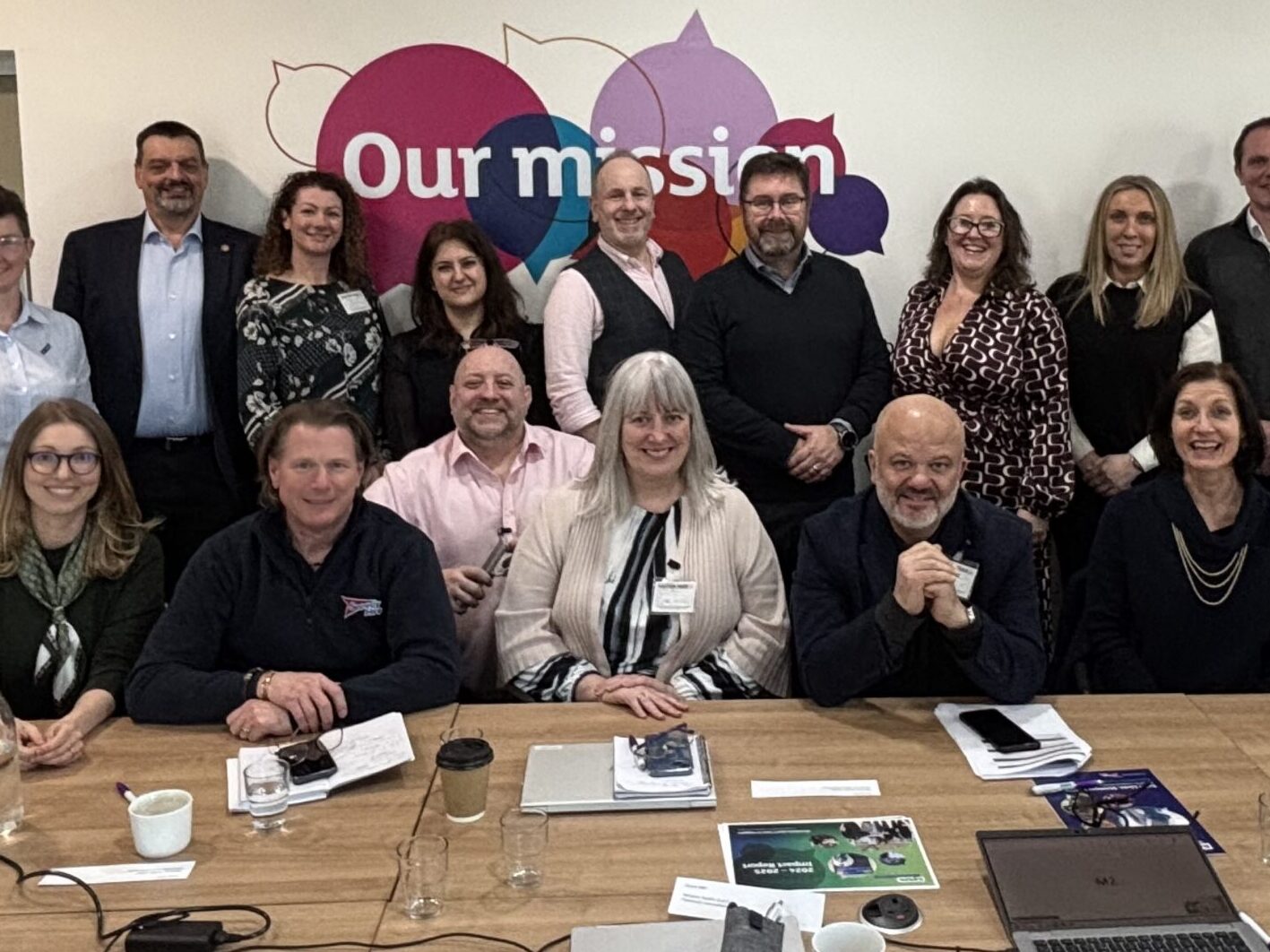

Skills shortages are putting workplace safety, productivity and the wider UK economy at risk, according to a new report published by the Royal Society for the Prevention of Accidents (RoSPA).
Produced in partnership with Speedy Hire, the report, entitled “Protecting Workforce Competence for Safer, Healthier Workplaces”, draws on expert insights from leading occupational safety and health (OSH) professionals to identify key challenges in recruiting, training and retaining competent workers.
It also sets out recommendations for employers and the UK Government to help build the skilled and healthy workforce needed to support long term economic growth.
Skills and competence under pressure
RoSPA’s OSH Skills Commission was established to examine concerns raised by RoSPA members and the wider OSH sector about rapid changes affecting workplace health and safety.
The report highlights a number of growing challenges, including fragmented training and skills pathways, declining worker health and wellbeing, and existing competencies struggling to keep pace with emerging risks such as artificial intelligence and an ageing workforce.
Its findings are based on five expert roundtable discussions chaired by members of the Commission and attended by professionals from occupational safety and health, human resources, occupational health and operational management.
Five priorities identified
The discussions identified five key themes requiring attention:
- Job readiness and early career learning.
- Flexibility, life course fit and workforce stability.
- Leadership, management and trust.
- Honest work design and role clarity.
- Human capability with technology and artificial intelligence.
Practical recommendations
RoSPA’s OSH Skills Commission argues that workforce competence should be recognised as a core organisational asset and an essential foundation for safer, healthier and more productive workplaces.
The report highlights the importance of creating opportunities for early career experience, mentoring, shadowing experienced colleagues and continuous professional development throughout working life.
It warns that failing to address skills gaps can increase workloads, weaken organisational decision making, reduce psychological safety and result in avoidable risks, instability and productivity losses.
Alongside identifying these challenges, the report also proposes practical solutions, including stronger early career development, mentoring programmes, skills passports and succession planning to improve workplace safety, support employee wellbeing and promote sustainable economic growth.
Baroness Christine Crawley of Edgbaston, RoSPA Vice President and Head Commissioner, said: “The OSH Skills Commission was formed in response to a sector in crisis.
“Yet however daunting challenges such as widening skill gaps and increasing workloads may seem, the innovative ideas and sense of purpose shared at the roundtables and now presented in this report means I am confident OSH professionals can not only overcome them but transform them into opportunities for improving health and safety in the future.
“The issues in this report are complex but a simple message emerges – good health and safety is good business.”
Andy Johnson, Group HSSEQ Director, Speedy Hire, said: “Workforce competence is not just a health and safety issue; it is a business imperative.
“That’s why we partnered with RoSPA to better understand the challenges affecting workforce capability and identify practical solutions that can benefit organisations across the UK.
“The findings highlight the need for greater investment in skills, learning and knowledge transfer. We hope the report encourages employers, industry and government to work together to build a safer, more resilient and future-ready workforce.”