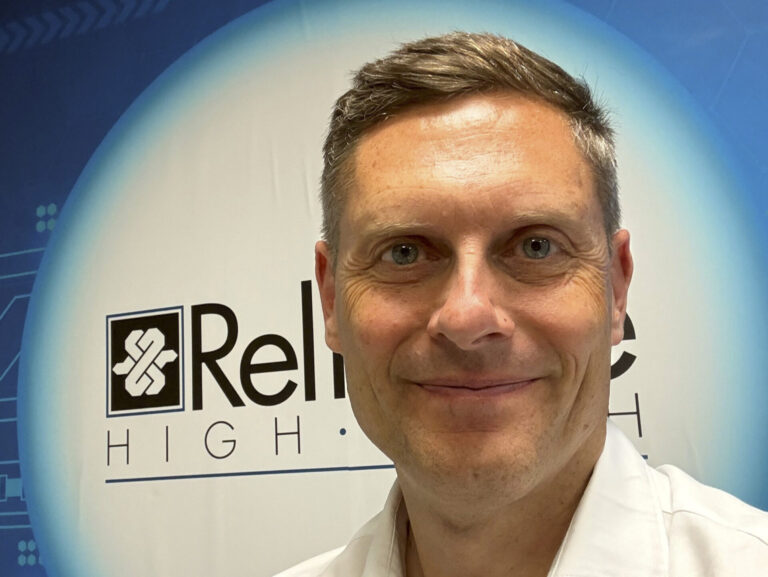
Richard Bate, IOSH President, discusses digital transformation, event safety and workforce wellbeing, highlighting how technology, climate pressures and mental health challenges are reshaping modern occupational safety practice.
Firstly, can you introduce yourself and your background?
I’m a chartered fellow of IOSH and its current President. I, like many people of my age, came into health and safety as a second career. My first career was in the NHS and I was a paramedic. I carried out all kinds of roles from being a first responder, in the air ambulance and then as a trainer at Wrexham University. Through a lot of dogged determination, luck, family support and commitment to volunteering, I was able to transition full time into the event space. I also run a small event safety consultancy business based on the North Wales-Cheshire border.
You have a vast experience with event safety. Could you tell us the biggest changes you have seen to event safety over the past 20 years, and how do you see this sector developing in the future?
One thing driving change in a positive direction is technology. However, we also face some very obvious challenges, including climate change and global warming. Before COVID, I could count on one hand how many times we had a showstop. But now, because of extreme weather events, they are commonplace. So, we need to be prepared for that. At IOSH, we’re doing some positive work around the gig economy and how we can improve working conditions for those in it. We’re in the vanguard of helping to shape a better world of work for everyone, regardless of which sector they work in.
IOSH recently released a white paper on digital transformation. What would you say are the biggest challenges businesses are facing relating to the adoption of technology?
Our white paper, The Digital Dilemma, discusses balancing progress with worker protection. Businesses are increasingly driven by productivity gains and efficiency targets rather than what the impact of new technology can have on worker safety, health and wellbeing. There are risks linked to algorithmic management, digital surveillance, technology fatigue and poor integration of the new tools. I would argue that many organisations are just not equipped to manage these new technologies, and more importantly, they don’t understand the implications of ill-considered introduction. It’s critical we don’t lose sight of the human dimension. We absolutely must take our workers with us on this journey; we’ve got to manage their fears and anxieties over the use of these new technologies.
It is not impossible that with somebody wearing a device that is tracking their health and wellbeing at work, that an employer could find out that an employee is unwell before they themselves know. What happens if that employee has a condition which could potentially be life threatening or change their ability to work? There is a whole piece around the ethics here, which we still haven’t fully understood.
TO READ THE FULL ARTICLE READ THE LATEST ISSUE HERE