Bart Declerck of KASK Safety explains how wearer comfort, sustainability, and digital integration are reshaping the future of industrial head protection.
Firstly, can you introduce yourself and say a little about your background in Health & Safety and your work with KASK?
I’m Bart Declerck, and I have over 20 years of experience in the PPE industry, having worked with two of the largest distributors in the Benelux region, progressing from Account Manager to Sales Manager for Public Markets. In my current role at KASK Safety, I’m the Business Development Manager for the UK, Ireland and the Benelux.
Helmet safety has traditionally focused on impact protection, but the risk landscape is widening. What changes in workplace hazards are currently having the greatest influence on how head protection is being developed?
For many years, helmet safety focused mainly on protecting against vertical impacts, as this was what EN 397 historically required. What has changed is our understanding of how traumatic brain injuries actually occur. We now know that frontal, rear and lateral forces, often resulting from slips, trips and falls from lower heights, play a major role in serious long-term injuries. While EN 397 addresses off-crown impacts, it still does not fully cover rotational forces. This has pushed manufacturers to look beyond traditional testing methods. At KASK, we invested early in traumatic brain injury research, drawing on experience from high-risk sports and rescue environments. Since 2019, we have applied our own Rotational Impact WG11 Test, aligned with best practices and inspired by ECE 22.06 motorcycle helmet protocols, using Brain Injury Criteria (BrIC) to assess rotational forces. All KASK helmets perform well below recognised risk thresholds, reflecting our approach. We don’t design helmets just to meet standards, we design them to better reflect real-world accidents.
Across construction, utilities and industrial environments, how are expectations around comfort, wear time and compliance shaping the future of safety helmet design and adoption?
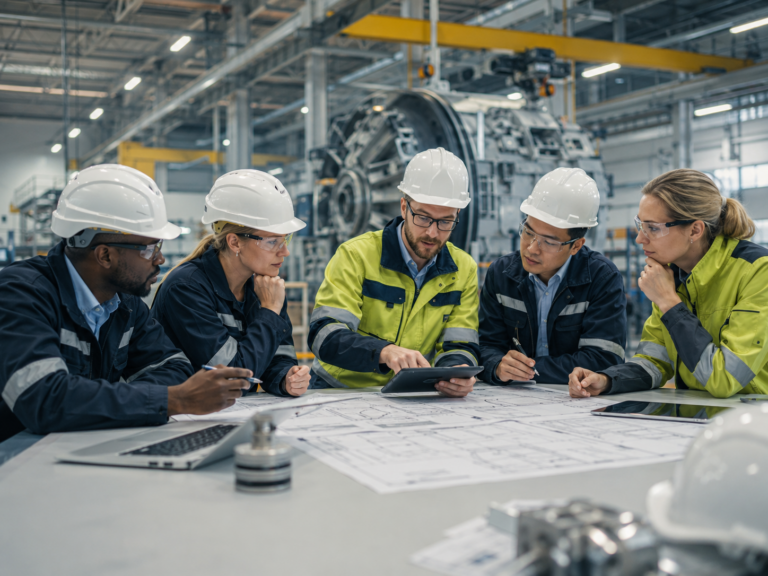
For a long time, the safety industry was driven mainly by compliance with regulations that date back several decades. Today, helmets are worn for longer periods, in more demanding environments and often with multiple accessories, making comfort a critical factor in real-world safety. At KASK, we have always believed that protection only works if people actually want to wear it. That’s why our approach is built around Comfort, Safety and Design, ensuring helmets feel intuitive rather than imposed. When a helmet is comfortable, stable and well ventilated, it is worn correctly and consistently throughout the working day. Comfort is no longer a “nice to have”; it directly influences compliance. If a helmet causes discomfort or instability, workers will adjust it incorrectly or avoid wearing it altogether. Designing helmets that integrate seamlessly into daily work routines is essential to supporting a stronger safety culture and improving adoption.
TO READ THE FULL ARTICLE READ THE LATEST ISSUE HERE.