
The J. J. Keller Center for Market Insights and the Council on Safe Transportation of Hazardous Articles (COSTHA) have jointly released a new benchmarking study examining current safety practices across the hazmat and dangerous goods transportation industry.
Titled Focus on Safety: Benchmarking the State of the Hazmat/Dangerous Goods Industry, the report provides an objective overview of current hazmat transportation practices based on feedback from more than 250 professionals working across the hazardous materials supply chain.
The study establishes a baseline for understanding current operating conditions, shared risks and emerging priorities across different transport modes and industry roles.
Operational risks remain a concern
According to the report, many of the industry’s most significant safety risks stem from everyday operational challenges rather than a lack of commitment to safety.
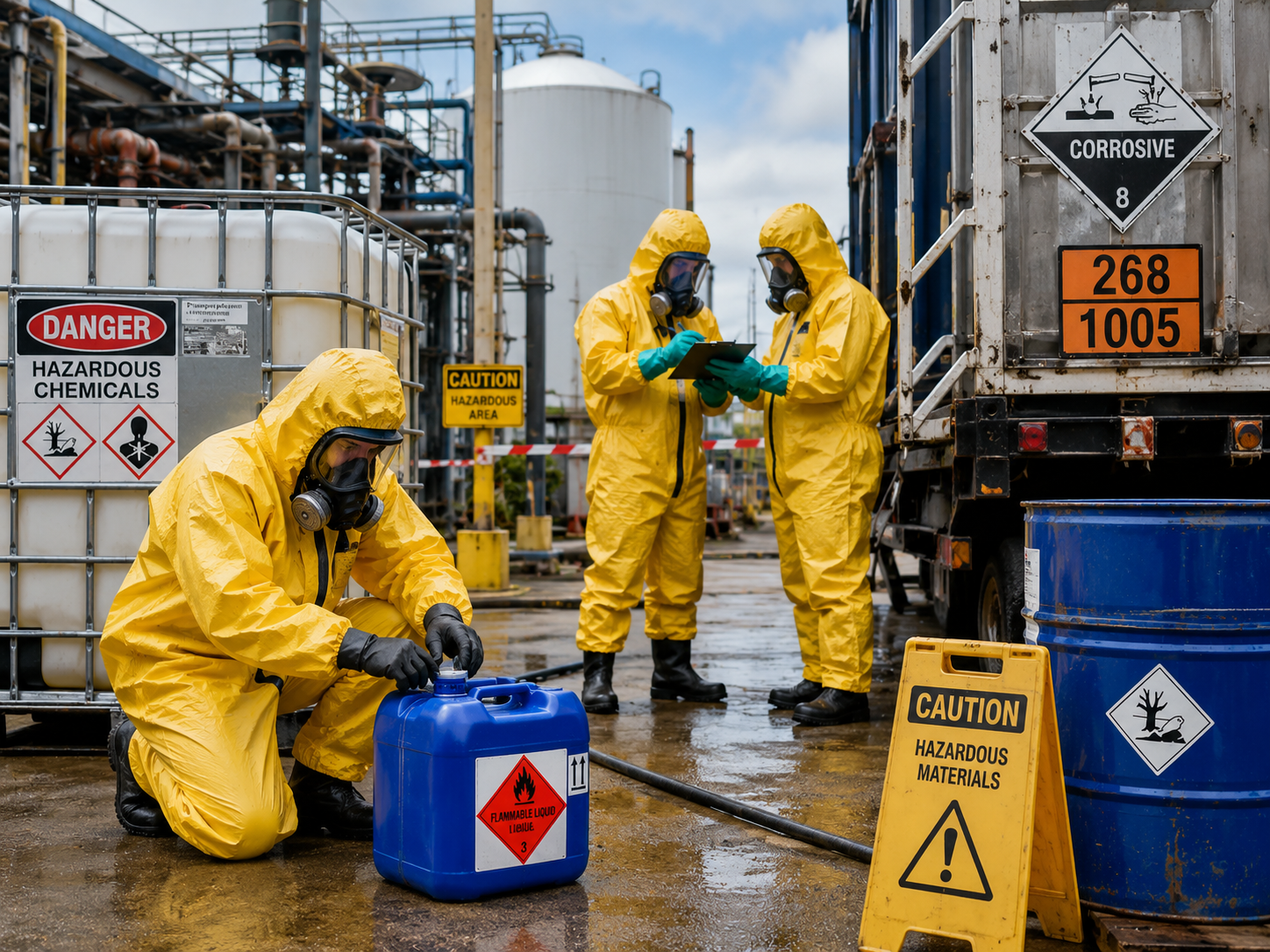
Routine tasks such as documentation, labelling and hazardous materials classification continue to be leading sources of compliance issues, with time pressures and process gaps identified as common contributing factors.
The study also found that while organisations place a high value on training, many struggle to keep training content up to date, manage renewal requirements and ensure training is tailored to specific job roles.
Lithium batteries and undeclared goods
Undeclared hazardous materials remain a significant concern, particularly within inbound shipments, creating ongoing challenges throughout the supply chain.
The report also identifies air transport and lithium battery shipments as areas of increasing complexity, with changing regulations and differing international requirements creating additional compliance challenges.
Technology supporting safer operations
The research found that organisations are increasingly adopting technology to improve hazardous materials management. However, respondents indicated that new digital tools should support decision-making and reduce human error rather than replace professional judgement.
The benchmarking study was conducted through an online survey between 24 November and 8 December 2025, gathering responses from shippers, carriers, manufacturers and other professionals involved in hazardous materials transportation.
Tom Ferguson, Administrator and Chief Regulatory Compliance Officer, COSTHA: “The safe transportation of hazardous materials is fundamental to protecting people, property, and the environment.
“As supply chains grow more complex, this study can help industry players better understand the real-world challenges that impact safety every day.”