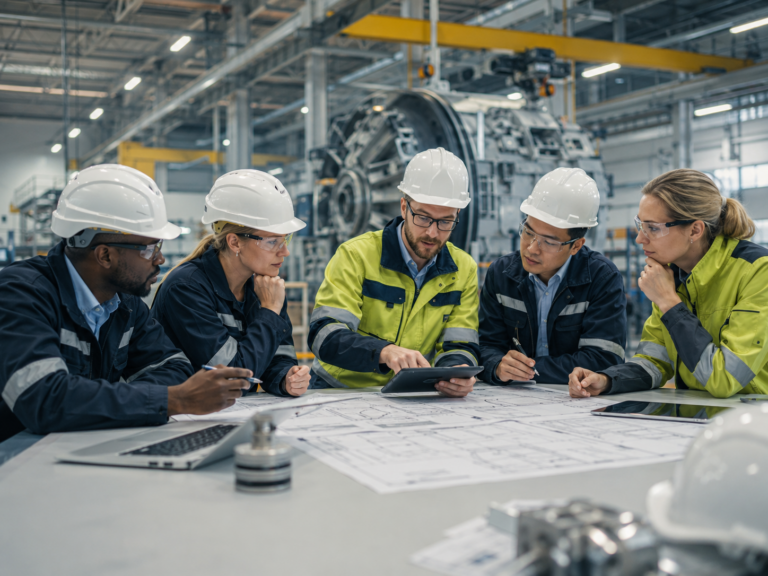
Modern helmets are becoming lighter, smarter, and connected, as advanced materials and ergonomic design redefine safety standards across high-risk industries, Joseph Clarke Writes.
For decades, head protection evolved slowly. The industry focused on improving shell strength, suspension systems, and compatibility with basic accessories. While these developments were valuable, helmets remained fundamentally passive devices. Their purpose was purely physical, designed to withstand impact, deflect debris, and resist penetration. That expectation has shifted dramatically in recent years as safety leaders call for better comfort, improved durability, more consistent compliance, and increasing technological capability.
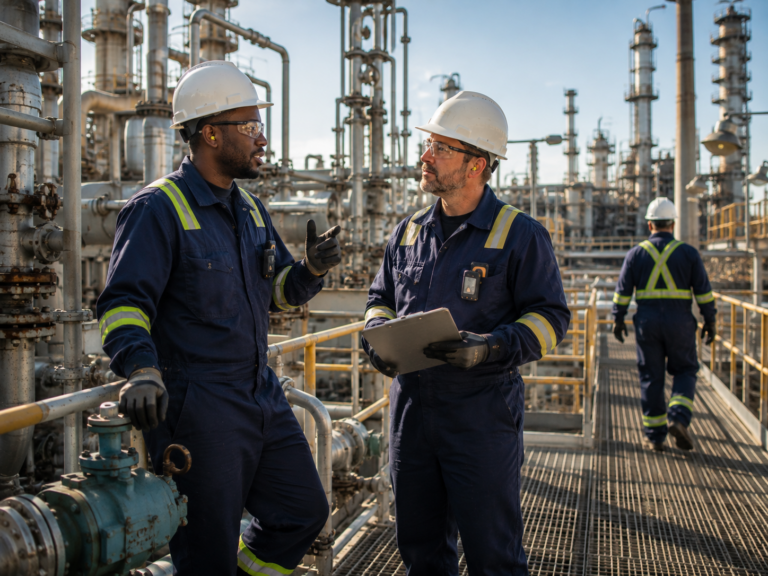
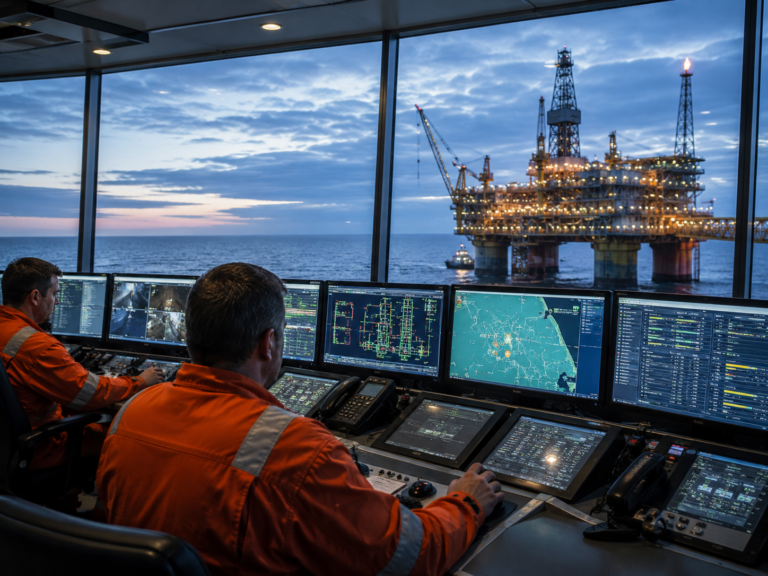
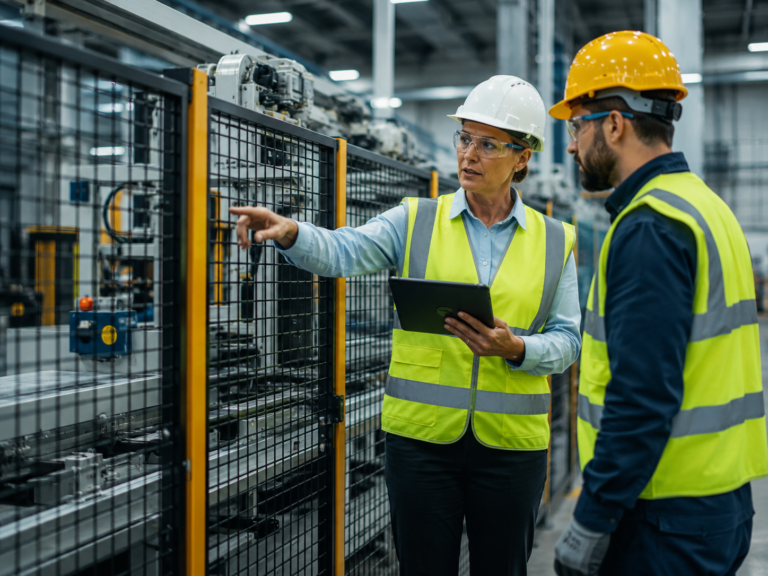
Modern worksites are far more complex than their predecessors. Urban construction requires coordination between multiple subcontractors working at height. Renewable energy sites involve towers, turbines, access structures, and rope based activities. Logistics hubs function as 24-hour operations with moving vehicles, cranes, and fluctuating visibility. Emergency services face unpredictable hazards, confined spaces, and sudden environmental change. In each of these environments, helmets must balance mechanical protection with mobility, comfort, communication, and in some cases real time data capability.
Manufacturers such as MSA, Kask, Lakeland, Schuberth Helmets, PIP Global Safety, Centurion Safety, and Petzl have responded with designs that reflect a deeper understanding of how workers move, interact, and make decisions. They are engineering helmets that not only protect but enhance performance, reduce fatigue, and support integrated safety systems. A modern helmet is no longer an isolated piece of PPE but a crucial component in a broader protective ecosystem.
Comfort as a Fundamental Safety Feature
Comfort has traditionally been treated as a secondary feature in PPE. Today it is understood as a primary driver of compliance. Workers who adjust, remove, or improperly fit helmets increase risk exposure. Manufacturers are investing heavily in ergonomic design to ensure helmets remain both protective and wearable for extended periods.
Schuberth Helmets exemplifies this shift through sophisticated shell construction designed to reduce weight without diminishing strength. Their focus on aerodynamics, stability, and balanced mass distribution reflects lessons originally learned from motor sports and professional rescue environments. Applied to industrial head protection, these principles reduce strain on the neck and shoulders, enabling workers to wear helmets for full shifts without discomfort.
Centurion Safety has long prioritised ergonomic stability, especially for industries where helmets must integrate seamlessly with visors, hearing protection, powered respiratory solutions, or communication kits. Their emphasis on securing a stable, comfortable fit is closely aligned with an understanding that PPE performance depends heavily on consistency. A helmet that moves, slips, or distracts the wearer directly undermines safety.
PIP Global Safety approaches comfort through internal suspension technology that adapts to different head shapes. Workers frequently vary in size, hair type, and head contour, and helmets that lack adaptive suspension can create pressure points, heat build up, and reduced compliance. By incorporating more flexible suspension systems and moisture managing materials, manufacturers can reduce fatigue and encourage proper fit throughout long shifts.
Even Lakeland, primarily known for protective clothing, contributes to this trend through its design philosophy of head to toe integration. When helmets form part of a carefully coordinated ensemble of high visibility, chemical resistant, or thermal protective clothing, comfort and mobility increase. The ensemble approach minimises interference between items of PPE and supports the worker through a full range of physical tasks.
TO READ FULL ARTICLE SEE LATEST ISSUE HERE