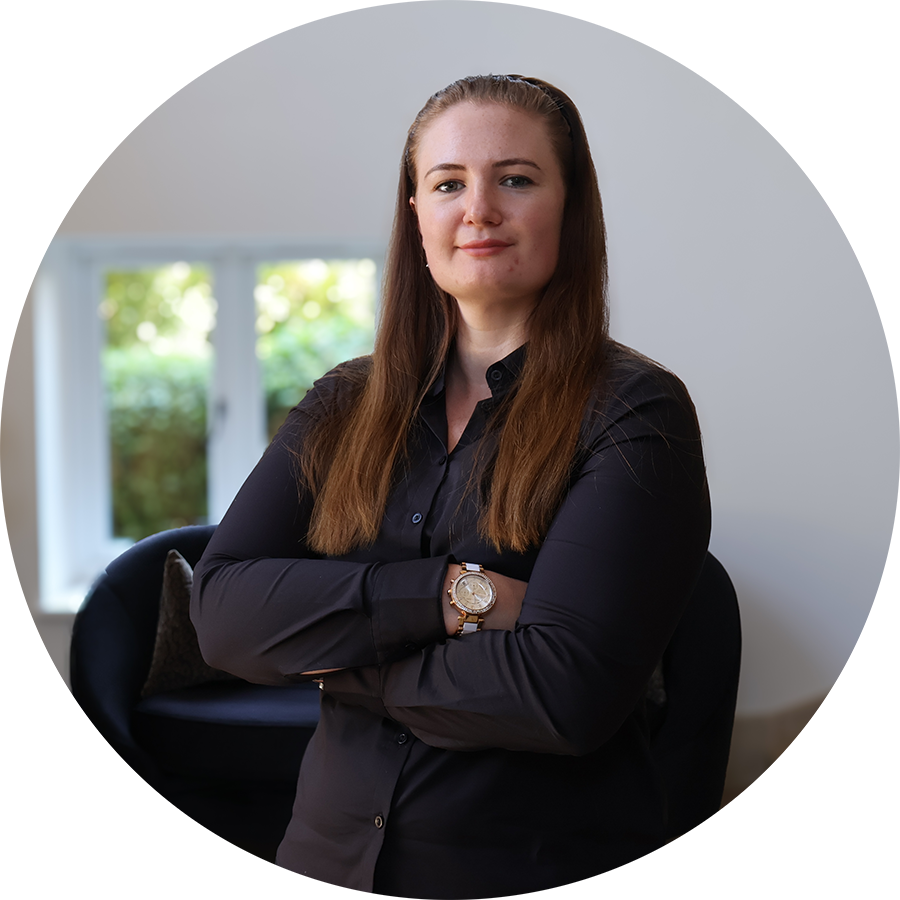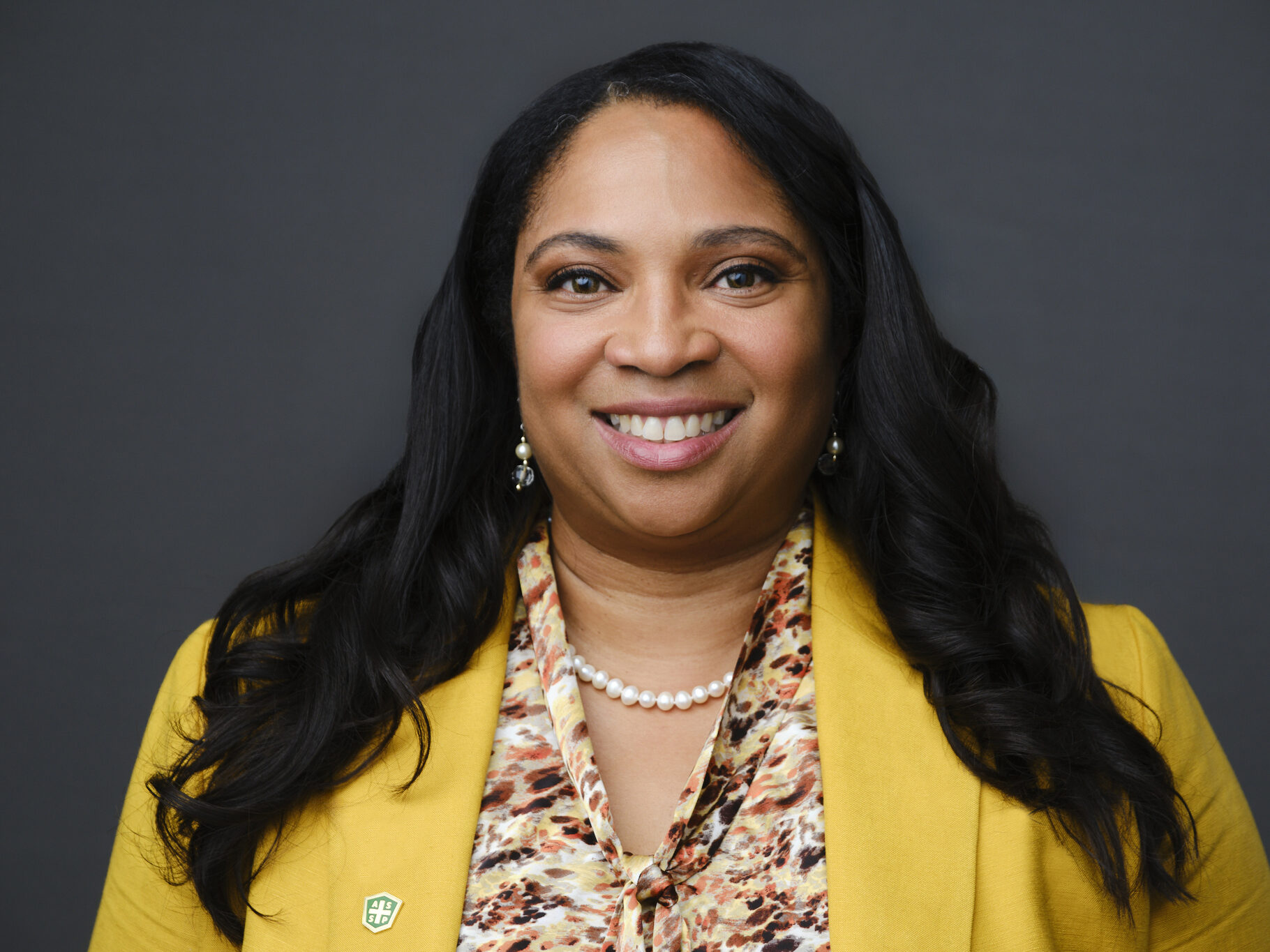
Monique Parker, President of the American Society of Safety Professionals and Chief Sustainability Officer at Elevra Lithium, explains why people remain central to workplace safety.
What aspects of your career have most shaped your approach to occupational safety and health?
The biggest thing that has impacted my approach and how I look at safety has been people. When I first started in EHS as an engineer, I went directly to people because I needed to understand the safety in the EHS world. The environmental aspect came easy to me because it was technical, but safety is where I really wanted to figure out how to make that work, and I found that the people were the best place to do that. I started to really understand the needs of people, how to work with them to get the outcomes that I desired, and figure out the collaboration between the two.
When I joined Elevra Lithium, I was hired to build a complete safety system, and I really took that on as an approach to take all of my 20 years of learning and put it in a place where I could take the things that I liked about what I had done previously, and the things that I did not like, and make it my own. This was really beneficial for me because I was able to see how you build a safety system. I think every professional wants to do that, and they think it is easy, but I can tell you it is not when you are starting from nothing. A lot of times, we go into a stabilised system where you are just enhancing and improving, but truly building from the ground up is game changing.
What practical steps can safety professionals take to create cultures where safe behaviour becomes a shared responsibility rather than a regulatory obligation?
When I started, everything was about compliance; if you knew the regulations, you could do your job. We are beyond that now. Compliance is just the foundation, but beyond compliance is where we want to be. How we get there is really going back to meaningful, practical, old-school techniques and technologies where you engage the people and understand where the needs are. So, you cannot have a one-size-fits-all approach when it comes to safety.
Everybody’s risks are different and the hazards that they engage are different. You have to take all of those pieces of the puzzle and put them together in order to create what fits that organisation, that department, that person, because they come with different experiences in life. If we do not take those into consideration, then we can never build the culture that is desired to be effective in those work environments.
What are the biggest changes in the health and safety profession that you have experienced over the course of your career?
When I started, it was all about technical safety; regulations and implementing things such as lockout/tagout and confined space. We never really looked at the worker. It was all about bringing in all the things we need, and the person will just have to adapt. But now we care about the person. It is about total worker health, mental health, and wellbeing. All of those are the full picture because if we do not have the person that is ready to do the job, the foundation of doing their role safely is not there.
TO READ THE FULL ARTICLE, READ THE LATEST ISSUE HERE.