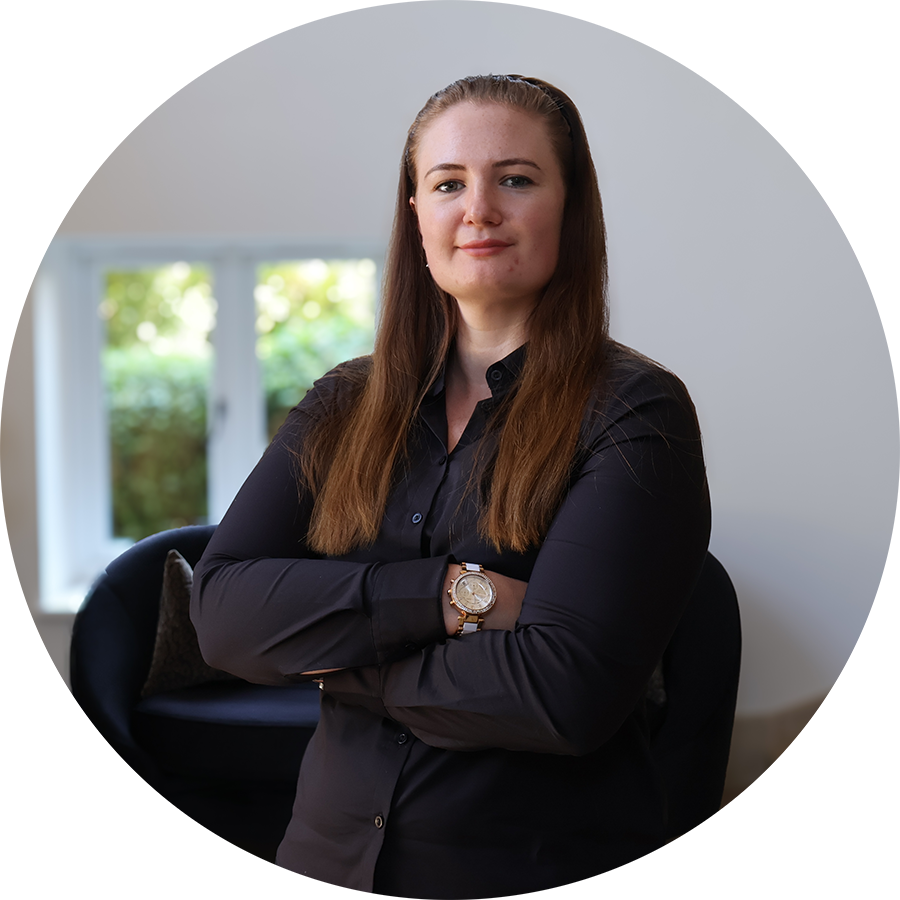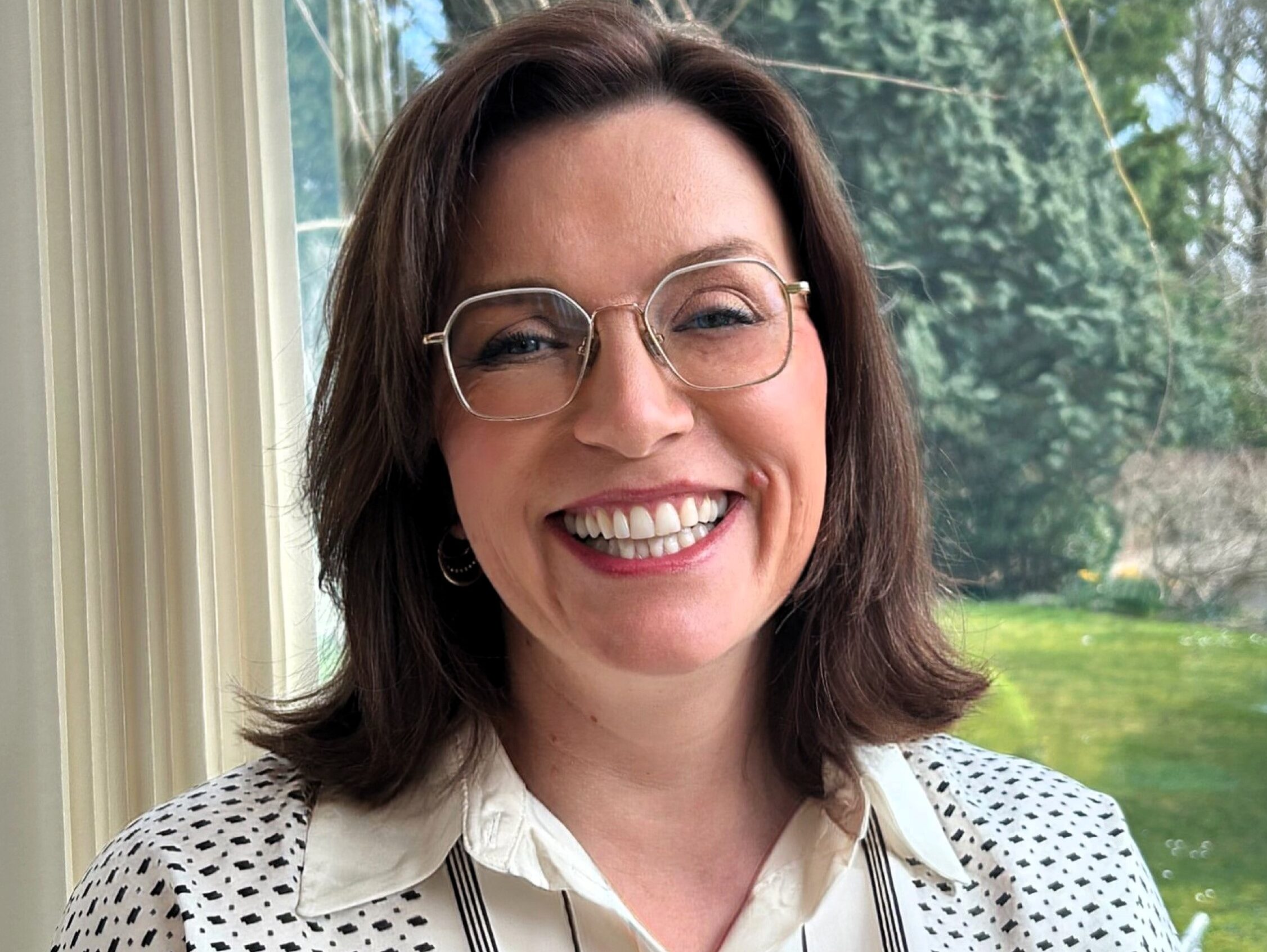

Becky Hickman, CEO of the Royal Society for the Prevention of Accidents (RoSPA) discusses workplace safety culture and why coordinated national strategy is urgently needed today.
Firstly, can you introduce yourself and your background?
I’m the CEO of RoSPA, the world’s leading health and safety charity. My background is in communications and marketing, including time at a commercial provider of health and safety solutions for businesses. This paved the way for moving to RoSPA 22 years ago, where I have worked my way up to become the first female CEO in the charity’s 100-year history.
How do your experiences help you in your current role at RoSPA?
I have led RoSPA through a period of rapid and radical organisational change, overhauling our internal systems to match and maximise the pace of our increasing global reach. My experience in communications has been invaluable in ensuring RoSPA staff are informed, focused and motivated throughout this essential process. But as the public face of RoSPA it is equally important to look outwards and engage with important stakeholders such as RoSPA members, partners, funders and MPs – anyone who can support us in our lifesaving mission to prevent accidental deaths and serious injuries.
What is RoSPA and what areas of public safety does it concern itself with?
RoSPA has led UK safety efforts since 1916. We have launched pioneering seatbelt laws, initiatives like The Tufty Club, Cycling Proficiency, and the Institution of Occupational Safety and Health (IOSH). RoSPA has shaped policy, raised standards and driven behavioural change across work, road, home and leisure. Our vision is of an accident-free world, achieved through collaboration, advocacy and practical prevention.
What does accident prevention mean to you?
Serious accidents are life changing, or even life-ending. They are sudden, violent and prey on our most vulnerable. But it is important to realise that accidents are not random. They always have a cause and understanding and tackling those causes means accidents can be prevented. RoSPA’s research into global accident rates revealed that 1 in 20 deaths worldwide are the result of an accident, making them the sixth biggest cause of death, killing more people than malaria. People in lower income countries are also much more likely to die in an accident. Given the scale of suffering accidents cause, and the economic costs attached, accident prevention needs much greater priority and investment.
How does the RoSPA work with businesses to improve health and safety at work?
We are a membership organisation first and foremost, and nothing RoSPA has achieved would be possible without our members’ invaluable support. Our membership is a vibrant community of thousands of organisations of all sizes, both in the UK and abroad, all seeking and sharing support and guidance on managing and enhancing health and safety. RoSPA provides resources and facilitates webinars and conferences to help our members learn and connect.
The jewel in our crown is the RoSPA Health and Safety Awards, which reaches its 70th anniversary this year. We receive almost 2,000 entries annually from over 50 countries, making the RoSPA Awards the world’s largest health and safety awards programme. Whether seeking non-competitive excellence recognition or entering for a competitive award across 20 industry sectors, each RoSPA Award entrant is assessed against rigorous criteria, making every winner a world leader in shaping safer, healthier workplaces. By celebrating the highest standards in accident prevention, we highlight the hard work that quite literally saves lives but often goes unrecognised.
We see a RoSPA Award as not the end but an important milestone in an organisation’s health and safety journey. Entrants must assess and reflect upon their current health and safety processes, and in doing so consider how these can be developed in the future. All our award winners are part of an influential community of health and safety champions, and it is always inspiring to see them sharing their experiences and best practice with others.
TO READ THE FULL ARTICLE, READ THE LATEST ISSUE HERE.